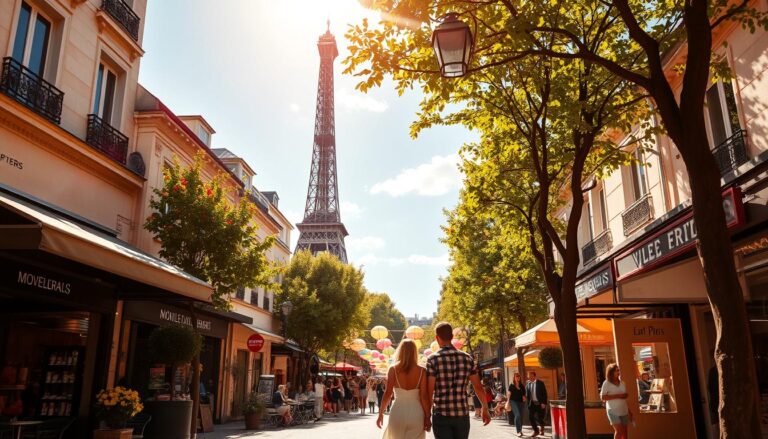
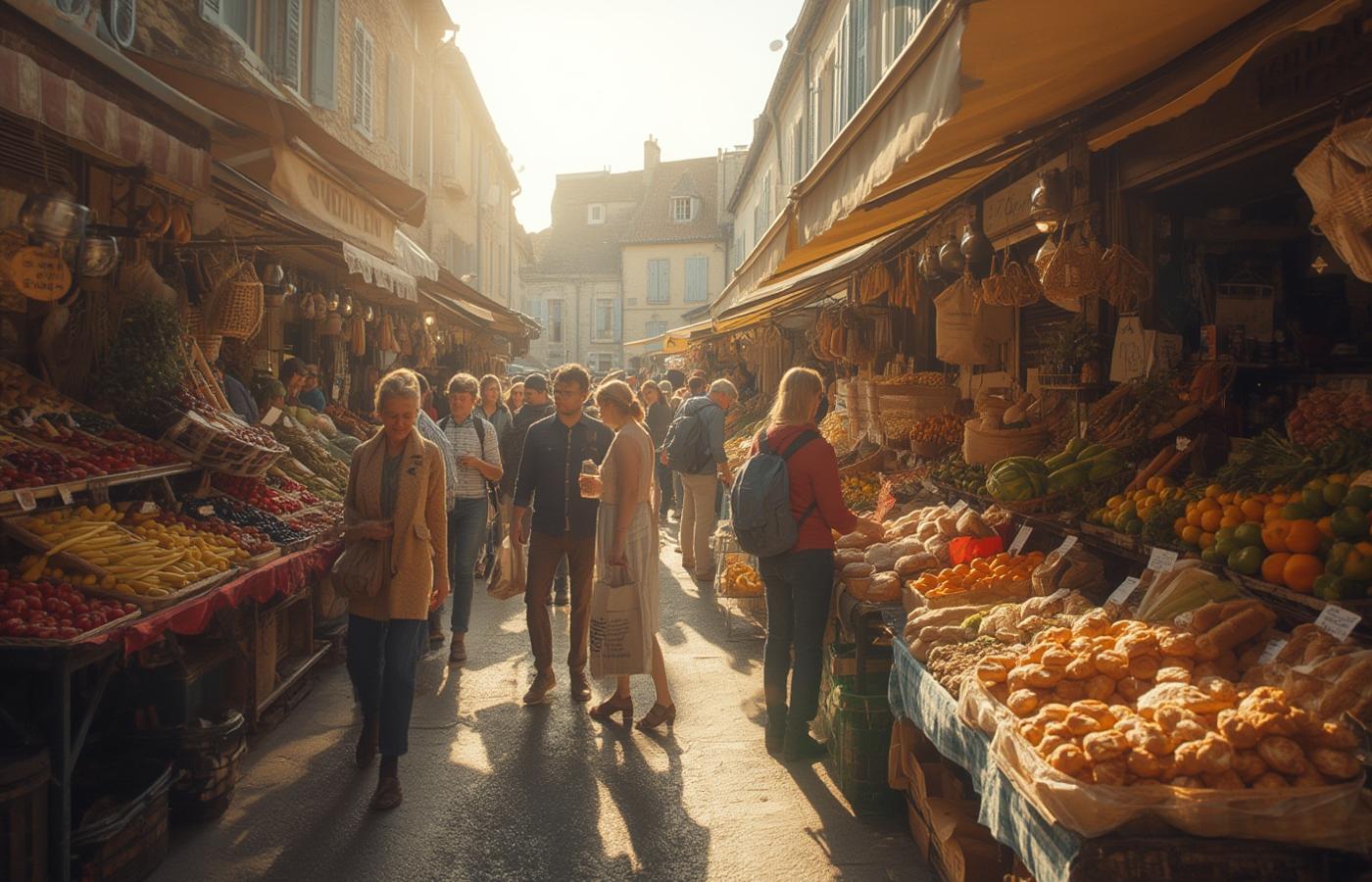
Eating Well on a Budget in France: Best Guide to Savvy Meals
Eating well on a budget in France is not just about pinching pennies—it is about balancing authentic flavors, local routines, and savvy tactics that French students and travelers use every day to enjoy vibrant meals without overspending. Navigating supermarkets, bakeries, and affordable eateries, even newcomers can savor memorable French food experiences while keeping costs under control.
Key Takeaways
- Cooking at home in France typically costs $5–$10 per meal, while eating out for budget travelers ranges from $10 to $20 per meal.
- Lunch specials and prix-fixe menus during weekdays offer the best value for dining out, even in Paris where meal prices run higher.
- Supermarket loyalty programs, batch-cooking, and choosing regional dishes can help maximize both savings and food quality.
- Understanding the true cost of eating in versus out in France
- Daily habits for staying on budget while eating well in France
- Regional price differences and common mistakes to avoid
- Summary of budget eating and next steps
- Frequently asked questions about eating affordably in France
Understanding the true cost of eating in versus out in France
For anyone seeking eating well on a budget in France, getting familiar with real cost breakdowns is essential. Grocery shopping for two averages about $600 per month (roughly $20 per day), which realistically covers classic staples: fresh bread, simple proteins, regional vegetables, and market finds. For solo travelers, this brings a per-meal average between $5 and $10, especially when shopping smart in larger chain supermarkets.
Dining out offers a wide range. A bistro “dish of the day” typically runs about €14 (≈$15), with café or casual spots in smaller towns dipping as low as $10. Mid-range options commonly span $15–$30 per meal. For those looking to splurge at least once, a three-course gourmet lunch clocks in around €28 (≈$31).
Budget travelers often keep daily food expenses between $30 and $40 by combining market breakfasts, lunchtime deals, and simple dinners. Travelers aiming for more mid-range fare or extra treats should plan for $60–$80 per day. These figures rise somewhat in Paris, where a coffee and croissant can cost as much as double provincial rates, but competitive weekday specials help compensate for the city’s premium prices.
For more strategies on planning affordable trips, see budget travel France.
Daily habits for staying on budget while eating well in France
Budget-conscious locals and visitors use a combination of shopping routines and meal timing to maximize taste and savings. Here is a typical one-day example:
- Morning: Grab a bakery pastry and coffee for about $5.
- Afternoon: Choose a café lunch special, market stall sandwich, or street-food crepe for $10.
- Evening: Prepare a pasta, salad, or ready-to-eat quiche purchased from a supermarket or local market for $10.
This flow keeps meals interesting, allows for authentic flavors, and regularly stays under $30 per day.
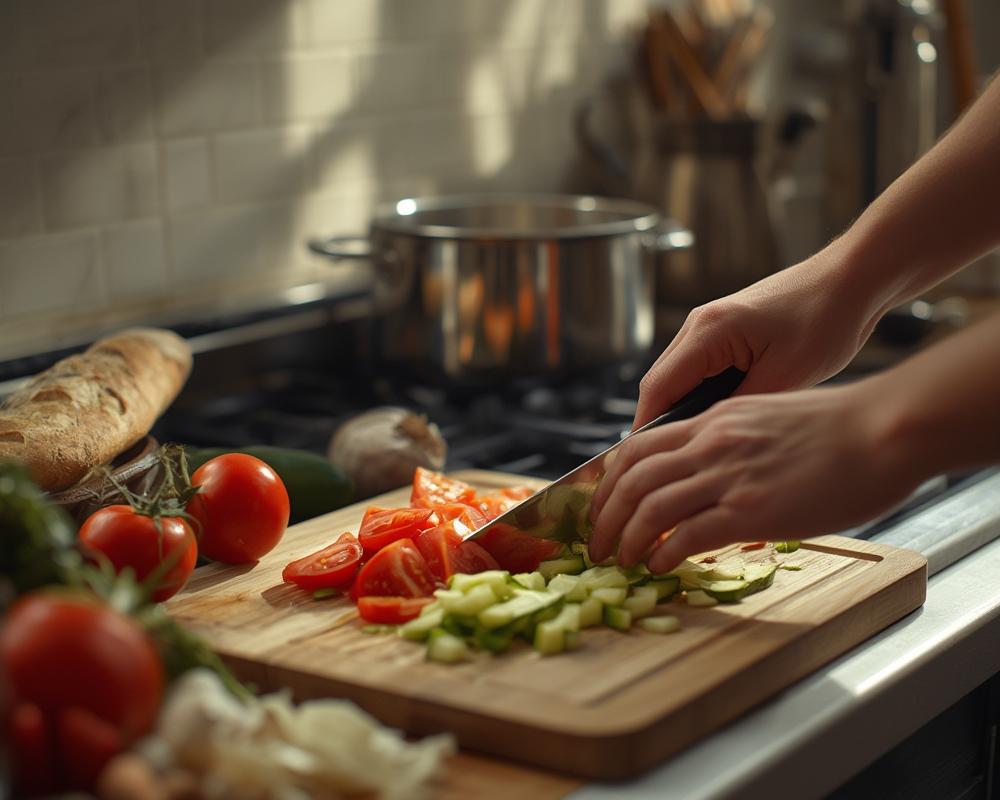
Try batch-cooking a favorite dish (such as vegetable ratatouille or a chicken–rice one-pot) to reheat over several dinners—shared kitchens in hostels or budget rentals often allow basic cooking. Plan grocery shopping around open-air market days for the freshest, cheapest produce and target the closing hour for deep discounts. Take a photo of loyalty cards at Carrefour, Leclerc, or Intermarché and scan them with every purchase to quickly build up reward points and sniff out the week’s “promo” bins.
Regional price differences and common mistakes to avoid
Food prices shift across France. Paris remains the priciest, especially around landmarks, but regulars know that weekday lunch “formule” specials can match provincial prices. In regions like Normandy or Alsace, family-owned bakeries and small-town markets offer hearty meals at noticeably lower costs. For example, a boulangerie lunch sandwich in Strasbourg may be €4–€5, compared to €7 in Paris. Travelers moving between city and countryside should adjust daily food budgets—expect to spend closer to the upper end in Paris and a little less in smaller regional centers.
Supermarket chains such as E. Leclerc and Intermarché provide the broadest low-cost selection and offer fidelity programs that regularly return a small percentage of your spend as credits or points. Spot “marques repère” and “prix choc” labels on staple brands to cut your basket total by 20–30%.
| Meal Type | Paris Average | Provinces Average |
|---|---|---|
| Boulangerie breakfast (pastry + coffee) | €4.50–€6.50 | €2.50–€4.50 |
| Café lunch (dish of the day) | €12–€16 | €10–€14 |
| Mid-range dinner | €20–€35 | €15–€25 |
| Supermarket groceries per meal | €6–€10 | €4–€8 |
Common pitfalls reported in recent expat and traveler forums include skipping local open-air markets (incorrectly believed to be pricier than supermarkets), missing out on loyalty rewards, or falling for “tourist menu” traps near attractions. Takeaway isn’t always cheaper; often, a prix-fixe lunch enjoyed sitting at the bar is a better value and a chance to interact with locals.
One frequent challenge is navigating unfamiliar product names and unfamiliar packaging sizes or prices at first. Overcome this by snapping photos of favorite items, then comparing costs and portion sizes in several stores. Use translation apps when uncertain—labels like “à emporter” mean takeout, and “formule midi” signals a lunchtime deal. Acquaint yourself early with the nearest market or bakery; they are the backbone of affordable French meals.
For a hands-on guide to finding a place to sleep on a tight budget, visit affordable accommodation in France.
Summary of budget eating and next steps
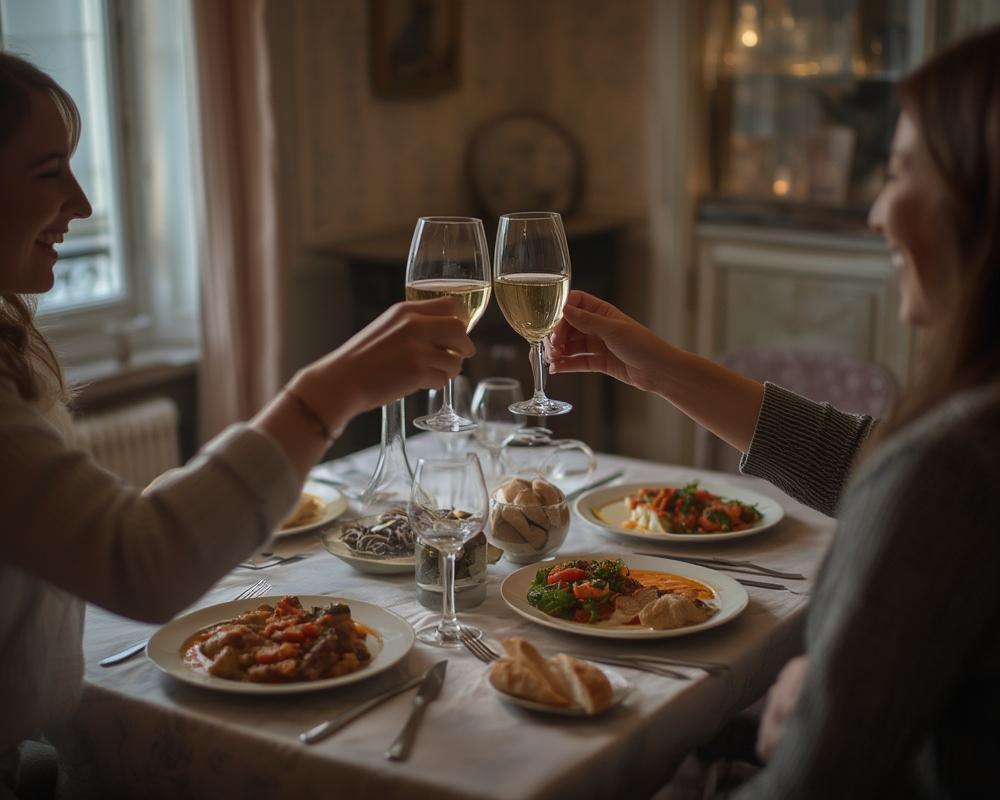
Eating well on a budget in France is practical and deeply satisfying, whether you are exploring Paris or wandering the markets of Bordeaux. Mix and match market meals, strategic café lunches, and supermarket finds to average $20–$30 per day—saving enough for a memorable splurge or two along the way. Get started by signing up for a supermarket loyalty program, checking your city’s next big market day, and walking your neighborhood to find two bakeries you love. Embrace daily routines and regional tips, and you will experience delicious, affordable French food at its best.
Need more step-by-step advice? Explore deeper money-saving strategies for your journey at budget travel France.
Practical meal cost comparison (2025–2026 prices)
Eating well in France on a tight budget is entirely achievable if you know where the value sits. Here is a practical tier breakdown by meal type:
- Bakery breakfast — coffee + croissant or tartine: €4–7. The most authentic and cheapest sit-down option in any French town.
- Supermarket or bakery lunch — baguette sandwich + drink: €5–8. Most boulangeries sell freshly-filled sandwiches from €3.50.
- Market picnic — cheese + charcuterie + bread + fruit: €8–12 for two. Covered markets (halles) run Tuesday–Saturday in most towns; quality is often higher than supermarkets.
- Formule du midi — starter + main or main + dessert: €12–18 (Paris), €10–14 (regional). The lunchtime set menu (served 12h–14h30 only) is how most working French people eat out. The same dishes cost 30–50% more at dinner.
- Full restaurant dinner — à la carte: €18–30 per person, excl. wine. Factor €4–8 for a carafe of house wine (pichet).
Pro tip: supermarkets (Lidl, Aldi, Intermarché) stock quality regional products at a fraction of restaurant prices. A 200g Comté or Reblochon wedge costs €2–4, a decent Côtes du Rhône bottle €4–7. Building a picnic from supermarket and market produce is both the cheapest and often the most memorable way to eat in France.
Frequently asked questions about eating affordably in France
Is it always cheaper to cook at home in France than to eat out?
Most of the time, cooking at home in France will be cheaper per meal, especially using basic ingredients from discount supermarket lines. However, weekday lunch deals at bistros and bakeries can match or even dip below home-cooked prices for certain meals.
What is the best time to find cheap restaurant meals in France?
The best deals are almost always found at lunchtime during the week. Prix-fixe or “formule midi” menus offer several courses for less than the cost of a single restaurant dinner.
How do supermarket loyalty cards help save money?
Supermarket cards such as those from Carrefour, E. Leclerc, and Intermarché collect points with each purchase, grant discounts on selected items, and sometimes give cashback or special “members only” prices. Signup is fast—just ask at the service desk or download the chain’s app.
Are there any affordable French dishes that offer big portions for small prices?
Yes. Rotisserie chicken, quiche, regional soups, market charcuterie, and the classic baguette with cheese or ham are all affordable and filling. In some regions, savory crepes (galettes), hearty lentil stews, and open-faced sandwiches give a lot of food per euro.
How can non-French speakers avoid menu confusion or tourist traps?
Always look for “formule” or “menu du jour” deals and try to move a block back from popular tourist sites. Bring a translation app or phrasebook, and do not hesitate to point to displayed food if you are unsure.