
France Vibes | Your Authentic Guide to Experiencing France Like a Local
Experience authentic France with France Vibes – from Bordeaux vineyards to Alsatian villages, uncover hidden gems and savor true French art de vivre. France Vibes transforms ordinary travels into extraordinary adventures.
Fly Smart with France Vibes: Affordable Flights to France
Explore France’s Heartbeat: Iconic Cities & Hidden Gems
Stay Inspired: Latest France Travel News & Expert Tips

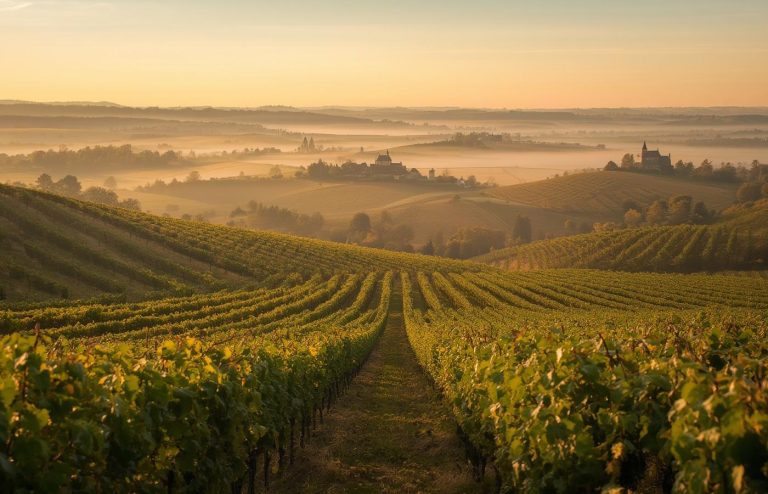
Discover France With a Guide That Actually Knows It
France Vibes is an independent travel resource built for people who want to travel France well — not just tick boxes. We cover flights, hotels, regional destinations and local culture with the kind of practical detail that makes the difference between a trip that goes smoothly and one that does not.
What You'll Find Here
✈ Cheap Flights to France
How to find the best fares, which airports to use, and how to combine flights with France's TGV network for the most efficient itinerary.
→ Flights guide🏨 Hotels & Accommodation
From 3-star city hotels in Paris to chambres d'hôtes in Burgundy and gîtes in the Dordogne — what to budget, where to book, and what to watch out for.
→ Hotels guide📍 Destinations Worth Your Time
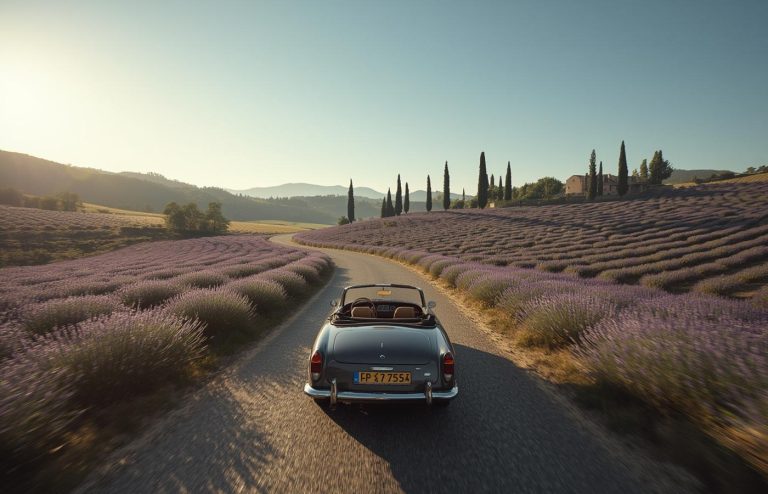
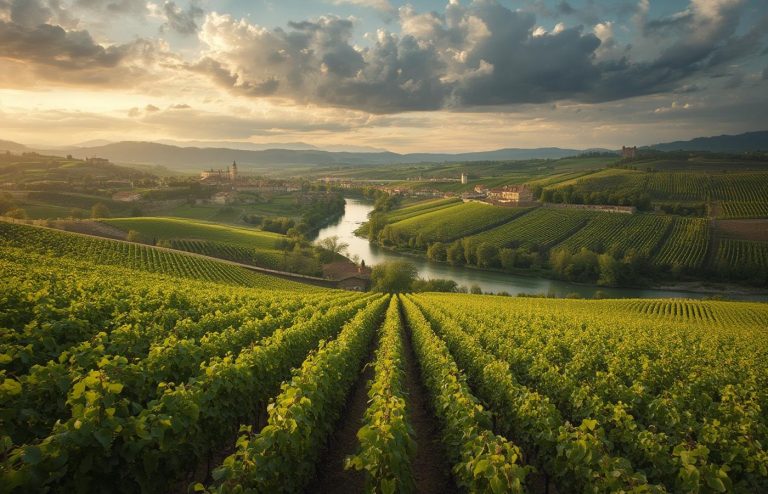
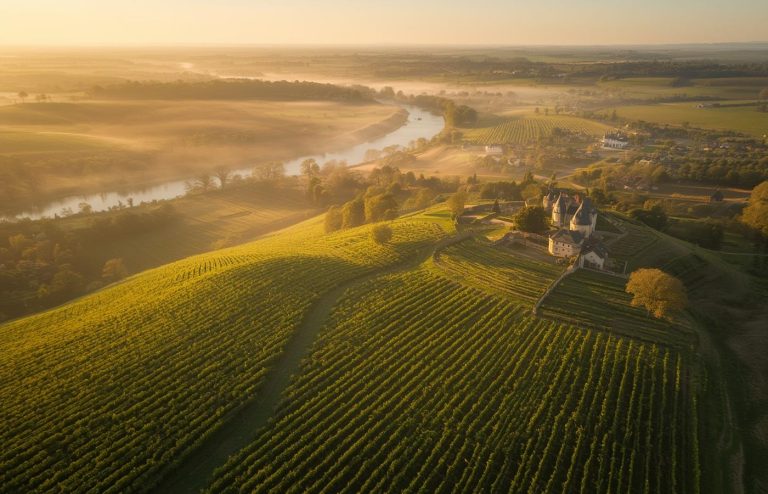
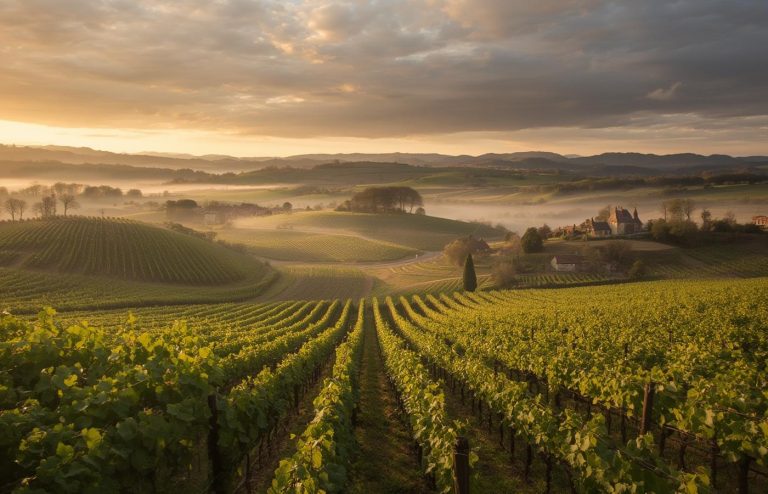
France rewards travellers who know where to look — from the Loire's châteaux to Provence's lavender fields, the Riviera coast and the vineyards of Bordeaux. Our regional guide covers the best destinations, when to visit each one, and what to expect.
→ Full destinations guideHow France Travel Is Changing in 2026
A few shifts worth knowing before you book:
- Slow travel is winning. More travellers are choosing one region for 10 days over five cities in eight — and getting far more out of the experience. The Dordogne, the Luberon and the Loire Valley are natural fits for this approach.
- The train makes sense again. France's TGV network is fast enough to make domestic flights almost irrelevant. Paris to Marseille in 3h10, Paris to Bordeaux in 2h05. Combined with a one-way international flight, it can be both cheaper and better.
- Regional airports are underused. Bordeaux, Lyon, Nice, Marseille and Nantes all have growing low-cost networks. Flying direct to your region — rather than defaulting to Paris CDG — often saves time, money and stress.
Why Use France Vibes
We cover one country, in depth. No recycled listicles, no filler. What you'll find here is practical, honest and regularly updated:
- Practical — real prices, real transport options, current entry requirements
- Honest — we tell you when somewhere is overrated, overpriced or best avoided in high season
- Updated — content is reviewed and revised as conditions change
- Independent — affiliate links are disclosed; we do not recommend things we would not use ourselves
Ready to Start Planning?
Browse the destinations guide to decide where to go. Search for cheap flights to France or compare hotels once you have a region in mind. And check the blog for guides and travel inspiration updated throughout the year.
Your France trip starts here.
France Travel: Frequently Asked Questions
Answers to the questions travellers ask most when planning a trip to France.
When is the best time to book cheap flights to France?
For summer travel (June–August), book 10–16 weeks ahead from long-haul origins such as the US, Canada or Australia, or 6–8 weeks ahead from within Europe. The cheapest fares for peak season typically go on sale between January and March. For shoulder season travel in May, September or October, 4–6 weeks ahead is usually sufficient. Staying flexible on your departure date by just 2–3 days can reduce fares by 15–25%. The calendar view on Google Flights or Skyscanner makes it easy to spot the cheapest window at a glance.
Which French city is best for food lovers?
Lyon is widely considered France's gastronomic capital: it has more Michelin-starred restaurants per capita than Paris, and its traditional bouchon restaurants define Lyonnaise cuisine (quenelles, andouillette, tarte aux pralines). That said, Bordeaux excels for wine-paired dining, the Basque coast around Biarritz draws heavily from San Sebastián's influence, and Paris remains the benchmark for high-end French cuisine. Every French region has a distinct food identity: Normandy for cheese and cream sauces, Alsace for choucroute and tarte flambée, Provence for olive oil and fresh vegetables.
What are the current entry requirements for France?
France is part of the Schengen Area. EU and EEA citizens travel freely with a national ID card. Citizens of the US, UK, Canada, Australia and many other countries can visit visa-free for up to 90 days in any 180-day period. The EU's ETIAS travel authorisation system (similar to the US ESTA) is expected to launch in 2025; check the current status before booking. Your passport must be valid for at least three months beyond your planned departure from the Schengen zone. Always verify current requirements at your government's official travel advisory before travelling.
What is the cheapest time of year to visit France?
November and early December (before Christmas markets open) offer the lowest prices for both flights and accommodation, though days are short and weather unpredictable. January and February are similarly cheap and suit city breaks well: Paris hotels can be 40–50% less expensive than in summer, and major museums have no queues. For the best balance of good weather and reasonable prices, May–June and September–October consistently deliver, with warm conditions for outdoor travel and none of the July–August crowds and price premiums.
Is France easy to travel independently without a tour group?
France has excellent infrastructure for independent travel. The TGV high-speed rail network connects major cities efficiently: Paris to Lyon in 2 hours, Paris to Marseille in 3h10, Paris to Bordeaux in 2h05. Most museums, booking platforms and transport apps are available in English. Outside heavily touristed areas, some basic French phrases are appreciated, though rarely essential. For rural destinations such as the wine villages of Burgundy, the Dordogne or the Luberon in Provence, a hire car gives the freedom the terrain demands.
Do I need travel insurance for France?
Travel insurance is not legally required to enter France, but it is strongly recommended. French healthcare is excellent, among the best in Europe, but treatment costs for non-EU visitors without coverage can be significant. A standard travel policy covers trip cancellation (valuable if any bookings are non-refundable), medical expenses, and lost or delayed luggage. EU citizens can use the European Health Insurance Card (EHIC) for medically necessary treatment at the same cost as French residents. UK travellers retain EHIC-equivalent coverage via the Global Health Insurance Card (GHIC).