Champagne Wine Region: Best Guide to Data-Driven Sourcing
Understanding the champagne wine region is essential for wine buyers, sommeliers, and industry experts looking to make informed sourcing and pricing decisions. This article focuses on delivering a data-driven and practical overview tailored to professionals who require precise market metrics, regulatory guidance, cost structures, and operational insights, avoiding tourism or marketing generalities.
Key Takeaways
- The Champagne region covers approximately 34,200 hectares with shipments around 266 to 300 million bottles annually, over half being exports and generating revenues near €6 billion.
- Champagne production follows strict AOC/AOP rules detailing permitted grapes, minimum aging periods, enrichment limits, and precise labeling requirements crucial for compliance.
- Market risks include climate challenges, labor shortages, inventory abundance, and pricing pressures that buyers must factor into sourcing and contract strategies.
- Current Market Overview and Its Impact on Buyers
- Historical Evolution and Clarifications for Industry Professionals
- Regulatory Framework and Compliance Basics in Champagne
- Production Process and Key Cost Factors Shaping Pricing
- Leading Producers and Ownership Influences on Supply
- Operational Challenges and Market Risks Affecting Availability
- Strategies for Responsible Sourcing and Identifying Research Needs
- Summary and Call to Action
- Frequently Asked Questions
Current Market Overview and Its Impact on Buyers
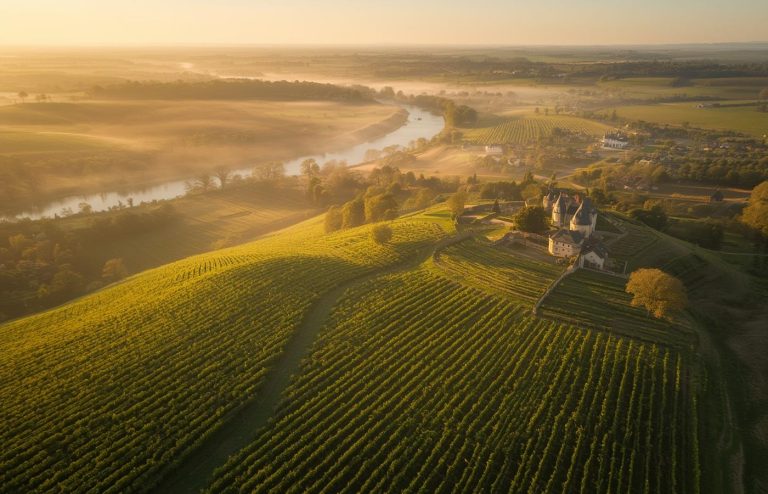
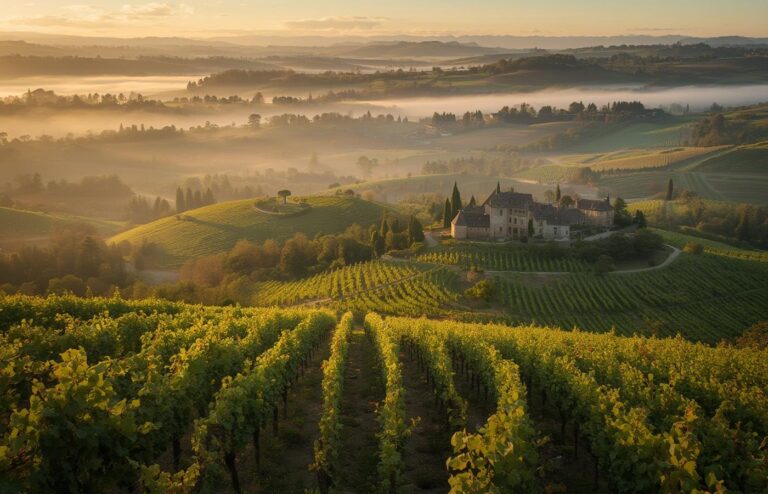
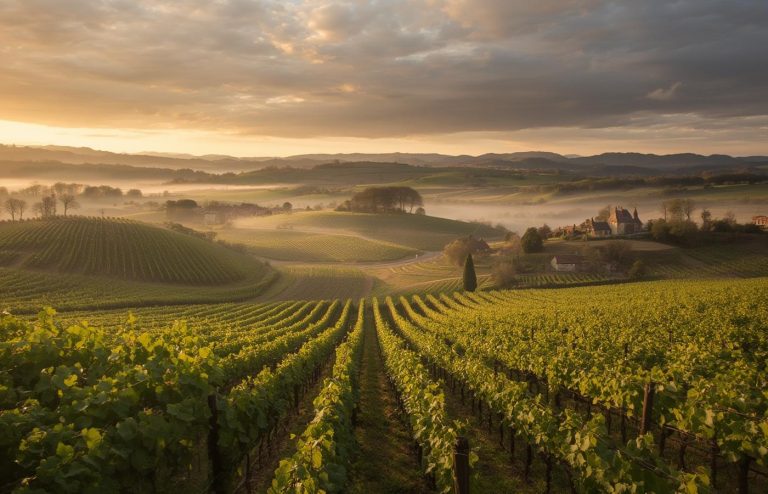
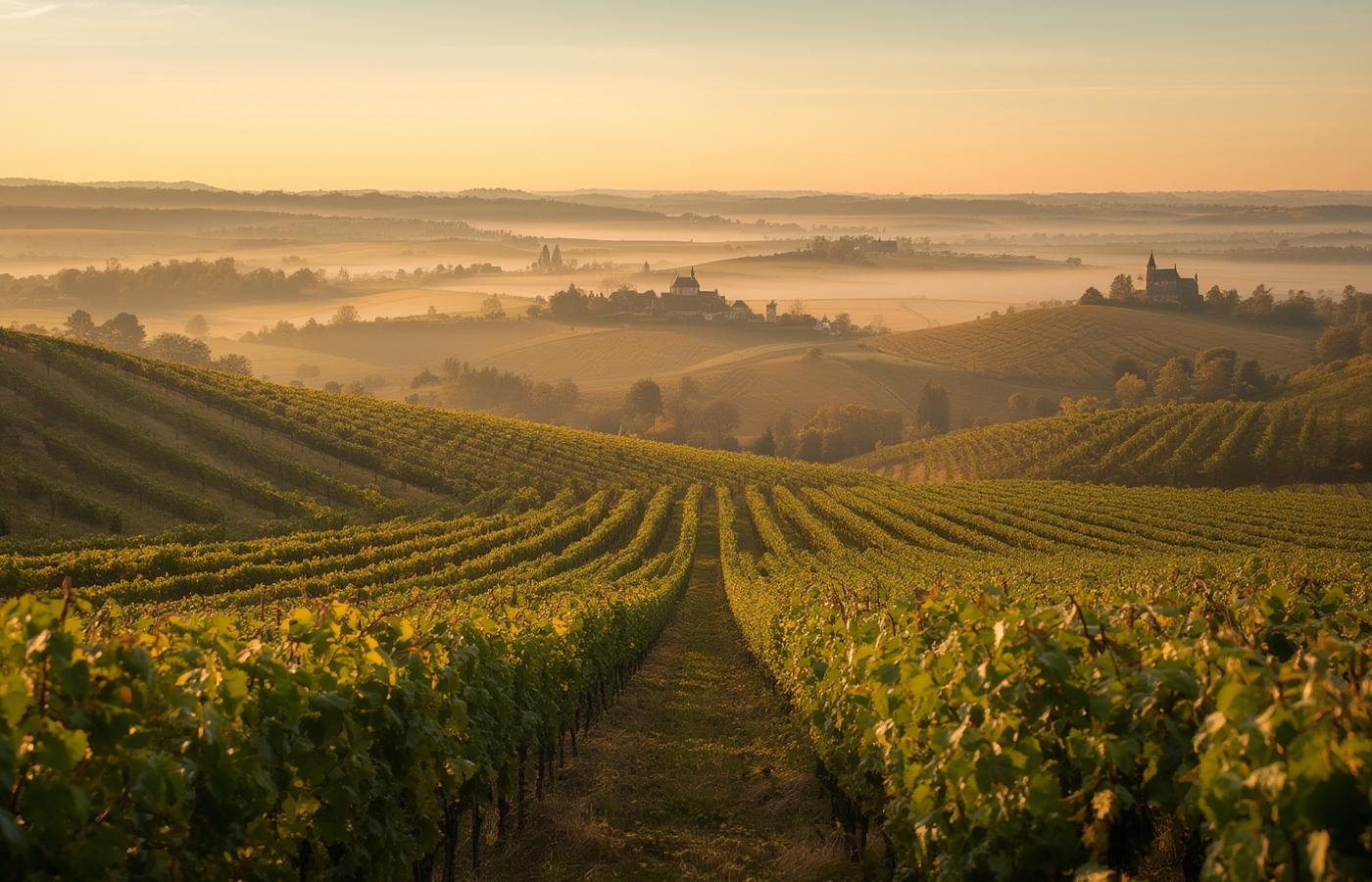
The champagne wine region encompasses roughly 34,200 hectares of vineyards dedicated to producing sparkling wines under strict regulations. Recent Comité Champagne figures show annual shipments hovering between 266 and 300 million bottles, corresponding to about 2.0 to 2.3 million hectoliters. These shipments are split with approximately 56 to 57 percent destined for export markets. For a broader perspective, explore our Wine Regions of France: Best Data-Driven Travel Guide.
In terms of value, shipment revenues range from approximately €5.7 billion to €6.2 billion annually, reflecting Champagne’s premium positioning. Domestic consumption accounts for nearly 43 to 44 percent of volumes, with France remaining the largest national market by volume per capita.
Top export markets include the United States, the United Kingdom, Japan, and Germany, each commanding several million bottles annually and representing significant strategic destinations for buyers. Export volume represents roughly 56 percent of Champagne’s shipments, but export revenue accounts for an even higher share, emphasizing the value concentration on international markets.
This data is vital for buyers to shape sourcing plans, pricing offers, and inventory management, recognizing the balance between stable domestic demand and fluctuating export dynamics.
Historical Evolution and Clarifications for Industry Professionals
The history of sparkling wine in the Champagne region is a mix of documented breakthroughs and entangled myths. Intentional secondary fermentation in bottles was first formally described by Christopher Merret in 1662, preceding French commercial adoption. Early Champagne houses such as Ruinart (founded 1729) and Moët (1743) helped establish sparkling wine making as a refined practice in the 18th century. This is further supported by official industry data.
Dom Pierre Pérignon’s contributions focused on improving base wine quality and blending rather than inventing sparkling wine, a common misconception. The technical innovation of riddling, which clarified bottles by consolidating yeast sediment near the neck for removal, is credited to Madame Barbe-Nicole Clicquot in the early 1800s.
Disgorgement techniques evolved throughout the 19th century, introducing freezing the bottle neck to efficiently remove sediment. The spread of cork and wire cages addressed bottle closure challenges, supporting the high pressure inside Champagne bottles.
Understanding these facts helps buyers assess provenance claims accurately and appreciate the progression of techniques affecting quality and production costs today.
Regulatory Framework and Compliance Basics in Champagne
The Champagne appellation standards are detailed within the INAO’s official cahier des charges, strictly controlling grape varieties, production methods, aging, and labeling. The permitted primary grapes include Pinot Noir, Meunier, and Chardonnay, with minor authorized varieties such as Pinot Blanc, Arbane, Petit Meslier, and Pinot Gris seldom used.
Harvest yields, chaptalization limits, and tirage requirements are regulated annually. Non-vintage Champagnes must age for a minimum of 15 months, including at least 12 months on lees, while vintage Champagnes require at least 36 months on lees before release.
Labeling terms such as Blanc de Blancs, Blanc de Noirs, Premier Cru, and Grand Cru have precise definitions linking back to vineyard classification and grape composition. Producers must comply with these rules or risk losing AOC rights.
Compliance ensures product authenticity and supports market positioning. Buyers must verify that producers adhere to these standards, especially amid increasingly stringent environmental regulations.
Production Process and Key Cost Factors Shaping Pricing
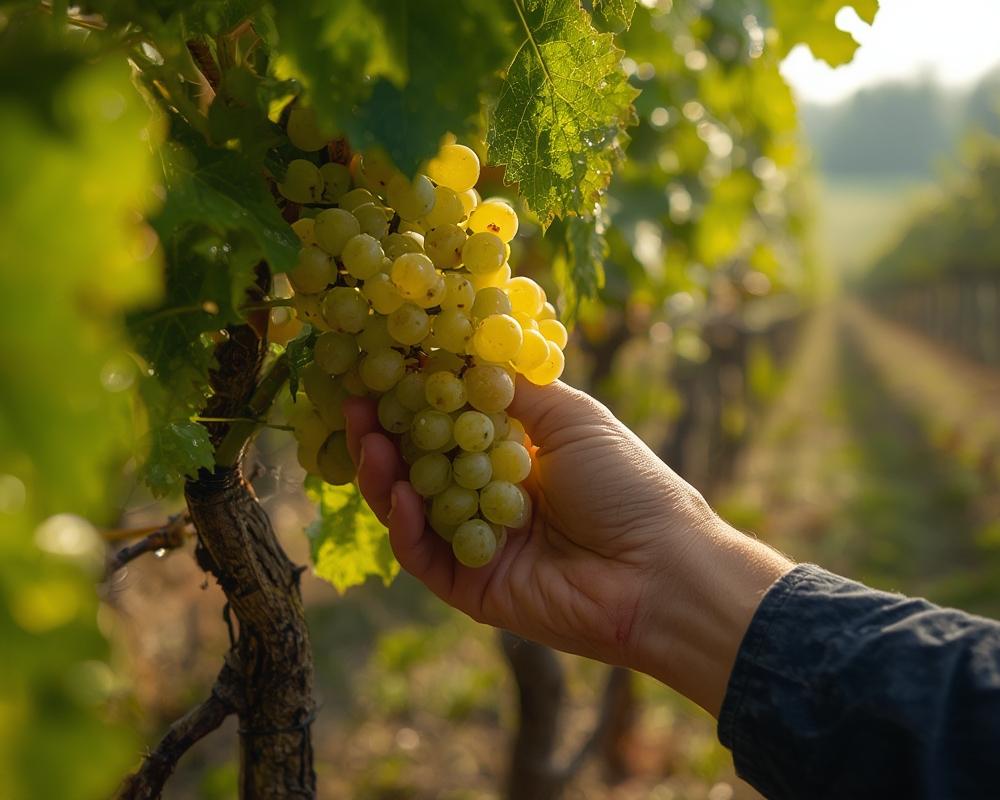
Champagne production is a multi-stage process tightly connected to cost drivers. Grapes are harvested manually to preserve quality before being pressed gently to separate the cuvée from lower-quality tailles. The base wines undergo primary fermentation, blending, and chaptalization as needed.
Secondary fermentation is triggered by adding a tirage liqueur composed of base wine, sugar (around 20 to 24 grams per liter), active yeast cultures, and nutrients. This fermentation takes place in sealed bottles over six to eight weeks, producing characteristic bubbles and slight alcohol increase.
Lees aging follows for a minimum period regulated by law, contributing desirable flavors and texture. The riddling process moves sediment to the bottle neck for freezing and disgorgement, where sediment is expelled and dosage liqueur added to adjust sweetness.
Production costs vary widely, with vineyard expenses ranging from about €12,000 to €25,000 per hectare annually. Per bottle production, packaging, and cellar work costs combine to a typical range of €4 to €10 for standard non-vintage cuvées, with prestige releases costing €10 to €20 or more. Packaging, labor, vineyard management, and aging length are key cost determinants.
Leading Producers and Ownership Influences on Supply
The Champagne region’s supply is dominated by a handful of major houses and cooperatives. Moët & Chandon, founded in 1743 and now part of LVMH, leads volume and global distribution, benefiting from luxury positioning and integration with other iconic brands like Dom Pérignon and Krug.
Where to Visit: Champagne Houses and Tasting Prices (2025–2026)
The Route touristique du Champagne links Reims and Épernay through
the Montagne de Reims, Côte des Blancs, and Vallée de la Marne — landscapes classified
as UNESCO World Heritage since 2015.
Major houses (grandes marques) — Reims:
- Taittinger — Reims. Cellar tours through Gallo-Roman chalk
crayères, with a tasting of their prestige Comtes de Champagne blanc de blancs.
Reservations via ruedesvignerons.com. - Veuve Clicquot — Reims. UNESCO-listed cellars, tutored tasting
of 4 cuvées; the experience covers all production stages from vine to
wine. Booking via veuveclicquot.com. - G.H. Mumm — Reims. Tasting experiences priced
€35–€65 for 1h–1h30 (Winalist 2026).
Épernay (Avenue de Champagne):
- Moët & Chandon — the most visited house on the Avenue de
Champagne; Dom Pérignon cuvées available in the boutique. - De Castellane — entry with tasting included from
€20 per person (lesroutesduvin.fr 2026).
Grower producers (récoltants-manipulants): For a more personal
experience, smaller independent producers in Montagne de Reims and Côte des Blancs
villages (Aÿ, Bouzy, Cramant, Avize) offer cellar visits from
€10–€20 per person — often including older disgorgements unavailable
at the grandes maisons. Strategy: visit one large house first for the chalk cellar
experience, then book a grower producer for a more memorable tasting
(salutbyebye.com 2026).
Overall tasting price range: €20–€60 depending on house size and
number of cuvées poured (Winalist 2026).
Where to Visit: Champagne Houses and Tasting Prices (2025–2026)
The Route touristique du Champagne links Reims and Épernay through
the Montagne de Reims, Côte des Blancs, and Vallée de la Marne — landscapes classified
as UNESCO World Heritage since 2015.
Major houses (grandes marques) — Reims:
- Taittinger — Reims. Cellar tours through Gallo-Roman chalk
crayères, with a tasting of their prestige Comtes de Champagne blanc de blancs.
Reservations via ruedesvignerons.com. - Veuve Clicquot — Reims. UNESCO-listed cellars, tutored tasting
of 4 cuvées; the experience covers all production stages from vine to
wine. Booking via veuveclicquot.com. - G.H. Mumm — Reims. Tasting experiences priced
€35–€65 for 1h–1h30 (Winalist 2026).
Épernay (Avenue de Champagne):
- Moët & Chandon — the most visited house on the Avenue de
Champagne; Dom Pérignon cuvées available in the boutique. - De Castellane — entry with tasting included from
€20 per person (lesroutesduvin.fr 2026).
Grower producers (récoltants-manipulants): For a more personal
experience, smaller independent producers in Montagne de Reims and Côte des Blancs
villages (Aÿ, Bouzy, Cramant, Avize) offer cellar visits from
€10–€20 per person — often including older disgorgements unavailable
at the grandes maisons. Strategy: visit one large house first for the chalk cellar
experience, then book a grower producer for a more memorable tasting
(salutbyebye.com 2026).
Overall tasting price range: €20–€60 depending on house size and
number of cuvées poured (Winalist 2026).
Veuve Clicquot, also an LVMH property, is renowned for historic innovation and global market reach. Other major players include Laurent-Perrier, G.H. Mumm under Pernod Ricard, and Vranken-Pommery Monopole, which holds extensive vineyard acreage.
The cooperative sector is exemplified by Nicolas Feuillatte, now merged into Terroirs & Vignerons de Champagne, consolidating about 6,000 growers and representing significant bulk volumes sold under cooperative labels.
Ownership concentration shapes vineyard control, sourcing priorities, and distribution channels. Understanding these structures allows buyers to negotiate efficiently and anticipate supply chain strategies.
Operational Challenges and Market Risks Affecting Availability
Champagne production faces multiple operational risks impacting availability and cost stability. Climate challenges, particularly spring frost and hail, have repeatedly caused localized yield reductions, notably in 2016, 2017, and 2021. Heatwaves also influence ripening profiles, potentially altering base wine characteristics.
Viticultural diseases such as powdery mildew and botrytis demand frequent treatments, complicating the shift to more sustainable practices. Labor shortages, especially for manual harvest, increase costs and can threaten timely grape picking.
On the market side, Champagne shipment volumes have contracted from 326 million bottles in 2022 to a projected 266 million for 2025, while inventory remains high, representing several years of supply at present demand levels. Price pressures and competition from alternative sparkling wines create further challenges.
Fraud and counterfeit risks require vigilance, with producer initiatives to secure authenticity through advanced bottle tagging and legal enforcement of the Champagne name in global markets.
Buyers need to evaluate these factors carefully, incorporating risk premiums and clear contract terms to mitigate uncertainty and secure reliable supply.
Strategies for Responsible Sourcing and Identifying Research Needs
Effective sourcing requires actively managing supply risk through diversified procurement, robust contract agreements addressing climatic and vintage variability, and authentication checks to prevent fraud. Buyers should consider vintage quality premiums and clauses allowing adjustments based on actual yields.
Identified data gaps include the need for updated access to the INAO’s cahier des charges and harvest yield regulations to track regulatory shifts precisely. Transparent per-bottle cost and grape pricing data remain scarce but critical to understanding economic pressures. Lastly, enhanced climate projection modeling and grower-level surveys would support adaptation cost assessments and long-term sustainability planning.
Collaborations with industry bodies like Comité Champagne, INAO, and research institutes such as INRAE and IFV can facilitate filling these gaps. Engaging technical directors and finance leaders from Champagne houses would enrich intelligence gathering.
Summary and Call to Action
For professionals operating in the champagne wine region market, comprehending the sector’s detailed production costs, historical context, regulatory constraints, and operational risks is crucial to sourcing Champagne confidently and sustainably. Staying informed on current market data, regulatory updates, and emerging risks empowers informed negotiation and supply chain resilience.
Buyers and strategists should align their procurement practices with verified technical data and evolving climate realities. Proactive engagement with reliable sources and transparent cost analysis will provide a competitive edge and safeguard quality standards over time.
Frequently Asked Questions
What is the total vineyard area dedicated to Champagne production?
The Champagne wine region encompasses approximately 34,200 hectares of vineyards registered under the Champagne AOC.
Which grape varieties are authorized for use in Champagne production?
The primary authorized grapes for Champagne are Pinot Noir, Meunier, and Chardonnay. Minor permitted varieties include Pinot Blanc, Arbane, Petit Meslier, and Pinot Gris, though these are rarely used.
How long must non-vintage Champagne age on lees before release?
Non-vintage Champagne must age for at least 15 months in total, with a minimum of 12 months on lees in bottle prior to release.
Which countries are the biggest export markets for Champagne?
Top export markets by volume include the United States, United Kingdom, Japan, Germany, and Italy, representing significant shares of Champagne’s international shipments.
What are the main production cost drivers for Champagne bottles?
Key cost factors include vineyard operating expenses, manual labor for harvest and vineyard management, cellar operations such as pressing and aging, packaging materials (bottles, corks, labels), and the duration of lees aging.