Loire Valley Wine Region: Best Proven Guide to Sourcing Wines
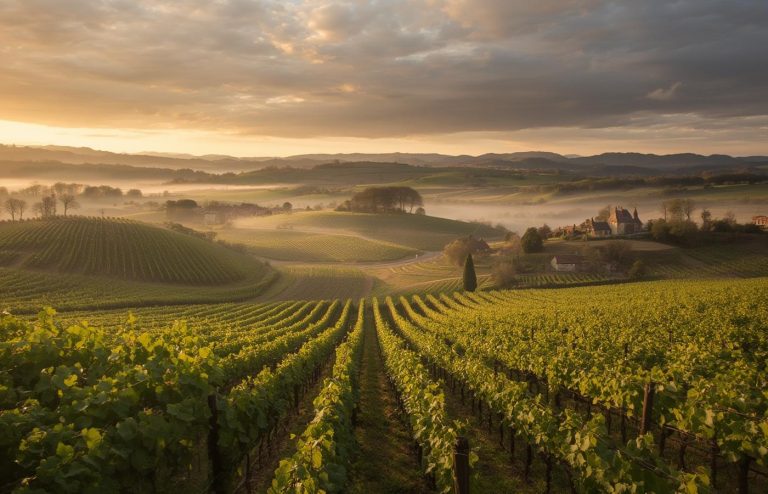
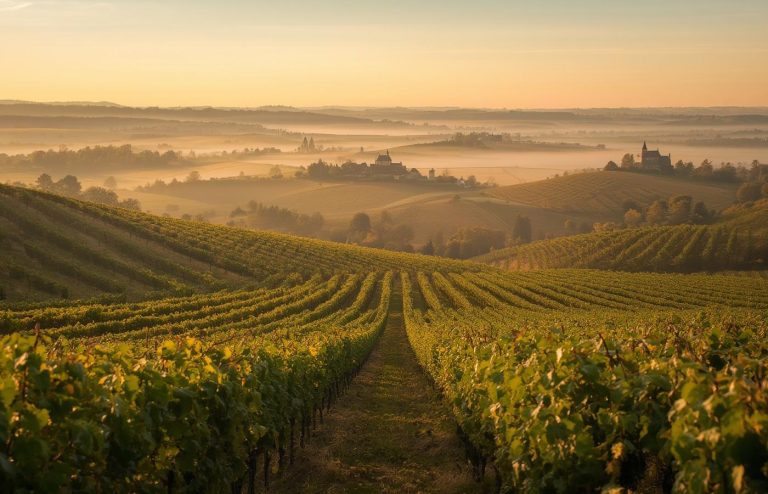
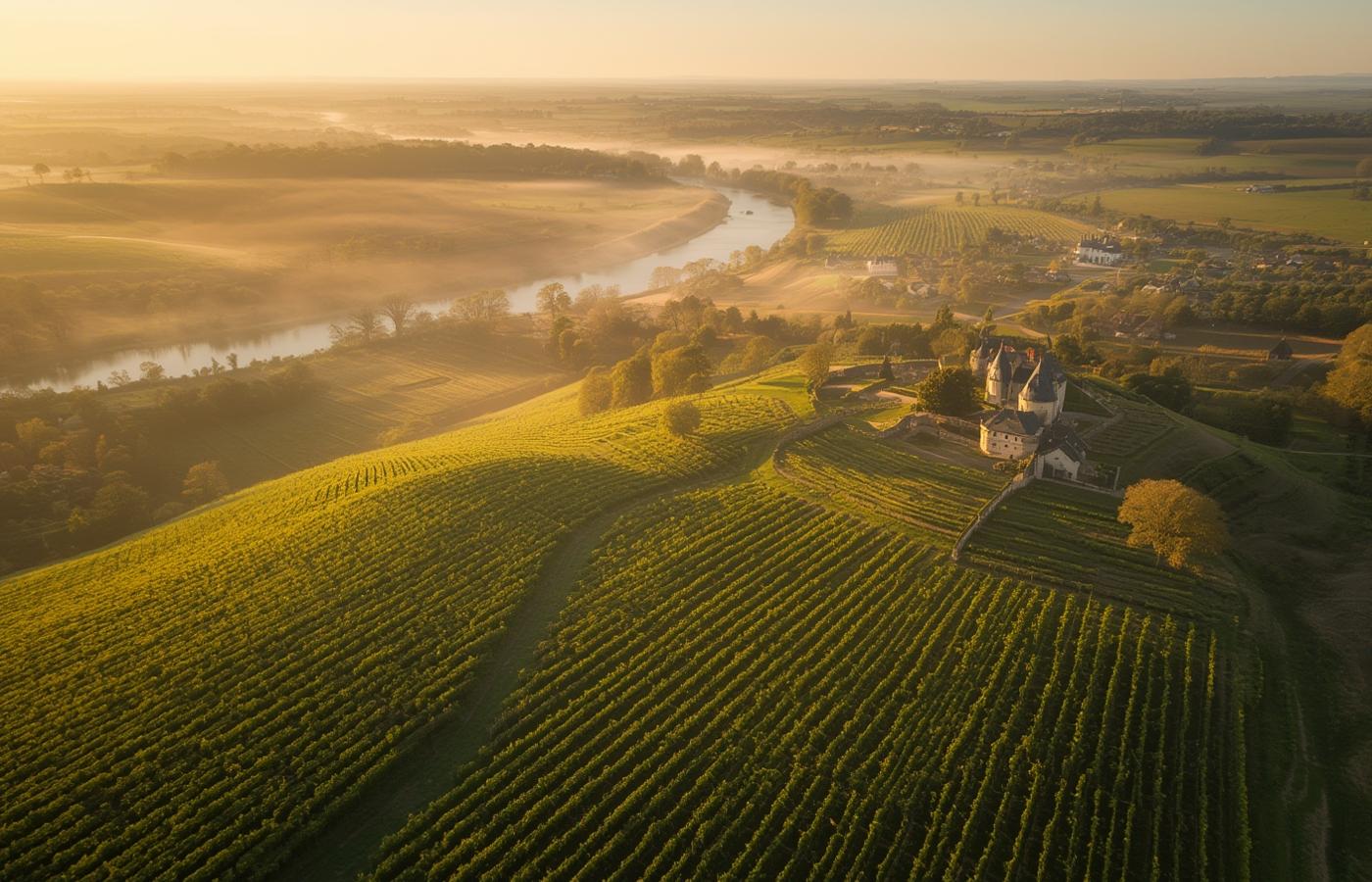
The Loire Valley wine region stands as one of France’s most diverse and dynamic wine-producing areas. Known for its broad range of styles, from crisp whites and elegant rosés to vibrant reds and sparkling varieties, the Loire offers a rich palette for importers, sommeliers, and wine buyers seeking reliable data and verified metrics. This article provides a detailed overview, blending verified statistics, production trends, and practical insights to help professionals and enthusiasts make informed decisions about sourcing Loire wines.
Key Takeaways
- The Loire Valley produces approximately 2 million hectoliters annually with a diverse mix including whites, rosés, reds, and sparkling wines.
- Production estimates vary by source and geography, with notable volatility between 2024 and 2025 impacting supply planning.
- Critical data gaps remain in verified planting percentages, retail price benchmarks, and comprehensive sustainability metrics, requiring direct supplier verification.
- Overview of Loire Valley wine production and scale
- Recent production volatility and its impact on supply
- Breakdown of sub-regions and their core offerings
- Key grape varieties and wine styles aligned with buyer needs
- Land prices and cost indicators for market entry
- Appellation rules and verification essentials
- Climate resilience and sustainability verification points
- Essential knowledge gaps for a definitive Loire guide
- Conclusion on Loire Valley wine sourcing
- Frequently asked questions
Overview of Loire Valley wine production and scale
The Loire Valley wine region covers roughly 42,000 hectares of vineyards, producing on average around 2 million hectoliters annually, equating to approximately 267 million bottles. This production is notably diverse, consisting of nearly 37% white wines, 29% rosé, 18% red wines, and 16% sparkling wines. The 34 Appellations d’Origine Protégée (AOPs) across Nantes, Anjou-Saumur, Haut-Poitou, and Touraine emphasize the region’s complexity and wide-ranging styles.
This scale situates the Loire as a significant French wine region, with variations that warrant consideration when comparing it to Bordeaux or Champagne. For professionals seeking comprehensive French wine knowledge, further context is available in the detailed wine regions of France guide.
Recent production volatility and its impact on supply
Market data from 2022 through 2025 shows significant volatility in Loire wine production, a critical factor for buyers managing supply risk. The French farm ministry estimates forecast a 26% increase to 2.596 million hectoliters in 2025 compared to 2.067 million hectoliters in 2024. In contrast, Centre-Val de Loire regional forecasts report a narrower 970,000 hectoliters for 2025, reflecting jurisdictional differences in data scope.
Such discrepancy arises from varying geographic definitions: the broader Loire Valley region versus the more limited administrative area of Centre-Val de Loire. Buyers should approach these figures understanding that supply planning depends on specific appellation geography and definitions.
Department-level data highlights fluctuating outputs in Indre-et-Loire and Cher, underscoring the need for granular supplier dialogue rather than reliance on headline numbers alone.
Breakdown of sub-regions and their core offerings
The Loire’s appellations present a complex mosaic of styles and grape profiles. Significant sub-regions include Muscadet near Nantes, Anjou-Saumur, Touraine, and Centre-Loire’s well-known Sancerre, Pouilly-Fumé, Chinon, and Vouvray appellations.
Where to Visit: Loire Valley Estates and Tasting Prices
For buyers and travellers planning sourcing trips, the Loire Valley counts dozens of
producer caves open to the public. Here are verified options across the main sub-regions:
- Château Gaudrelle (Vouvray AOC) — Rochecorbon, 15 min from Tours.
Certified organic and biodynamic. Free tasting Tuesday–Saturday, 10:30–12:30 and
14:00–18:30; cave tours by appointment.
Tel: +33 (0)2 47 25 93 50 · reservation@chateaugaudrelle.com. - Couly-Dutheil (Chinon AOC) — 12 rue Diderot, Chinon.
Guided cellar tour with a tasting of 5 Chinon wines: €15 per person
(fee reimbursed against a minimum purchase). Site includes 10th-century troglodytic
cellars; open year-round. - Château de la Ragotière (Muscadet Sèvre-et-Maine AOC) —
Near Vallet (capital of Muscadet), 30 ha estate with a 14th-century chapel.
Managed by Amélie and Vincent Dugé (Couillaud family since 1979). Tastings on-site. - Domaine Luneau-Papin (Muscadet Sèvre-et-Maine) — 20 km from
Nantes, 20 individual plots farmed organically and biodynamically by Pierre-Marie
and Marie Luneau. - Domaine Henri Bourgeois (Sancerre and Pouilly-Fumé AOC) —
Saint-Andelain, argilo-calcareous limestone soils. Open Monday–Saturday 10:00–18:00,
Sunday 10:00–12:00 and 14:00–18:00.
Price benchmarks at the cellar door: Muscadet €10–€18;
Chinon and Bourgueil €15–€28; Vouvray (still) €18–€45; Sancerre and Pouilly-Fumé €25–€50.
Tasting fees across the region typically run €6–€12 and are often refunded
against a €50–€100 wine purchase.
For example, data from the Centre-Loire dossier illustrates that Sancerre produced about 1,813 hectoliters in 2022 from 65 hectares, with white wines comprising the majority at 1,007 hectoliters, and reds and rosés making up the remainder. Typical yield ranges hover between 40 and 60 hectoliters per hectare, although specific appellation rules may vary.
Many smaller appellations and specific producer bottlings require direct inquiry due to limited publicly available data, making a detailed supplier request for wine-by-wine production and specification essential for buyers.
Key grape varieties and wine styles aligned with buyer needs
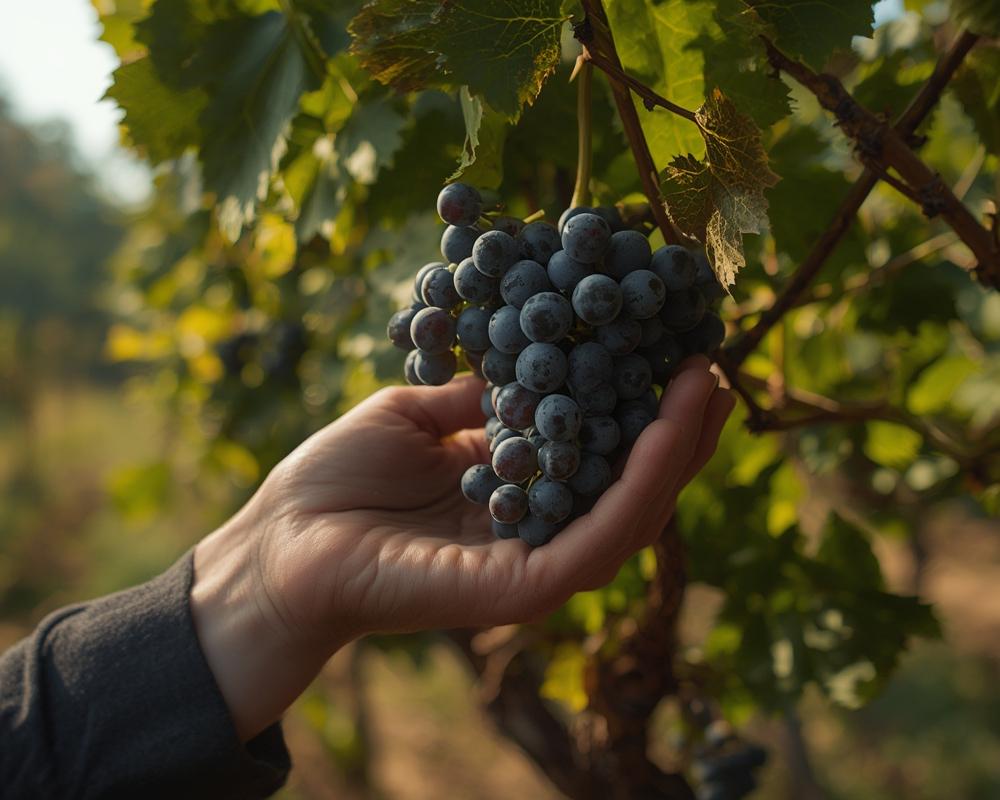
The Loire Valley’s wine diversity is anchored by four major grape varieties: Chenin Blanc, Sauvignon Blanc, Melon de Bourgogne, and Cabernet Franc. Each variety lends itself to different wine styles including crisp sparkling wines, dry whites, off-dry Vouvrays, aromatic rosés, and age-worthy reds.
Chenin Blanc excels in Anjou and Vouvray regions for versatile expressions while Sauvignon Blanc often defines the aromatic whites of Sancerre and Pouilly-Fumé. Melon de Bourgogne dominates Muscadet for fresh, mineral-driven whites, and Cabernet Franc provides structure to reds from Chinon and Saumur.
Land prices and cost indicators for market entry
Understanding vineyard land values is critical for those considering investment or long-term supply projects in the Loire Valley. According to the 2025 INAO memento, prime appellation land prices vary considerably:
- Sancerre averages approximately €260,000 per hectare, with slight fluctuations noted within a €190,000 to €285,000 range.
- Vouvray shows more moderate prices around €26,000 per hectare, up 4% from the previous year.
- Touraine vineyards present entry points near €7,000 per hectare, with little change from prior valuations.
These figures serve as benchmarks for land cost but do not include retail bottle pricing, restaurant mark-ups, or start-up expenditure estimates. Buyers should be aware such financial data requires commissioning from market research providers or direct supplier disclosures.
While land prices indicate longer-term availability and potential price trends, operational cost frameworks remain an unfilled data gap.
Appellation rules and verification essentials
Appellation control governs the diversity of Loire wines through specific AOC and IGP rules, yet a consolidated matrix detailing allowed varieties, yield limits, minimum alcohol levels, and aging practices is not publicly consolidated. This necessitates buyer awareness and proactive verification.
Current AOC count (2025): France now recognises 363 wine
AOC/AOP designations and 75 IGP (Indication Géographique
Protégée), per INAO’s 2025 register. Notably, INAO approved low-alcohol IGP wines
(minimum 6% ABV) for several Val de Loire IGP zones in 2025 — a development to monitor
for export markets seeking reduced-alcohol options.
Regulations vary significantly per appellation with common features such as yield restrictions around 40 to 60 hectoliters per hectare, but limits on chaptalization, oak usage, or carbonic maceration remain unclear without direct consultation of producer documentation.
Since sparkling wine represents 16% of Loire production, understanding the legal methods permitted in sparkling categories forms an important compliance step.
Climate resilience and sustainability verification points
Sustainability is a growing concern for wine buyers worldwide. However, the available data for Loire vineyards lacks verified percentages or area figures certified organic, biodynamic, or under High Environmental Value (HVE) schemes. Climate-related metrics such as temperature trends, vintage harvest date shifts, and varietal suitability assessments are also missing from current sources.
Buyers should prioritize obtaining detailed supplier reporting on environmental certifications and ask questions about climate resilience and adaptation strategies as due diligence in procurement decisions.
Essential knowledge gaps for a definitive Loire guide
Despite the breadth of available information, three primary content gaps require addressing for a fully authoritative Loire Valley wine region resource:
- A unified statistical dashboard combining comprehensive data on production volumes, vineyard plantings, export destinations, and price benchmarks.
- A detailed technical matrix of AOC regulations outlining grape varietals, maximum yields, minimum alcohol content, permitted winemaking techniques, and labeling conventions.
- A climate and sustainability evidence package featuring certification data, climate trend analysis, and harvest timing variations across vintages.
Addressing these gaps will empower importers and sommeliers to source Loire wines with greater confidence and precision.
Further exploration of pricing and production risk is supported by external data such as the recent French farm ministry production estimates for wine regions.
Conclusion on Loire Valley wine sourcing
The Loire Valley wine region remains an important and varied source of French wines, prized for its range of styles and dominant grape varieties. However, sourcing decisions require balancing observed production volatility, verifying appellation-specific rules, and navigating significant information gaps on pricing, sustainability, and regulation. Importers and sommeliers who approach this market with data-driven verification and supplier engagement will be positioned to confidently supply and explain Loire wines to discerning customers.
Frequently asked questions
What is the average annual production volume of the Loire Valley wine region?
The Loire Valley produces approximately 2 million hectoliters annually, which converts to about 267 million bottles, representing a broad diversity of wine styles.
Which grape varieties dominate Loire Valley wines?
Chenin Blanc, Sauvignon Blanc, Melon de Bourgogne, and Cabernet Franc are the four principal grape varieties driving the region’s white and red wine production.
How do production estimates vary between sources for the Loire Valley?
Production figures differ due to geographic definitions, with the French farm ministry providing a broader region estimate (~2.6 million hL for 2025), whereas regional authorities like Centre-Val de Loire offer narrower forecasts (~970,000 hL for 2025).
Are detailed retail or restaurant pricing data available for Loire wines?
Currently, no verified comprehensive retail or restaurant markup data exists publicly; buyers often need to commission specialized market reports or rely on supplier disclosures.
What sustainability certifications should buyers inquire about when sourcing Loire wines?
Buyers should specifically request data on organic, biodynamic, or High Environmental Value (HVE) certifications from suppliers, as public data on vineyard certifications in the Loire is incomplete.