Rhone Valley Wine Region: Best Proven Guide For Buyers
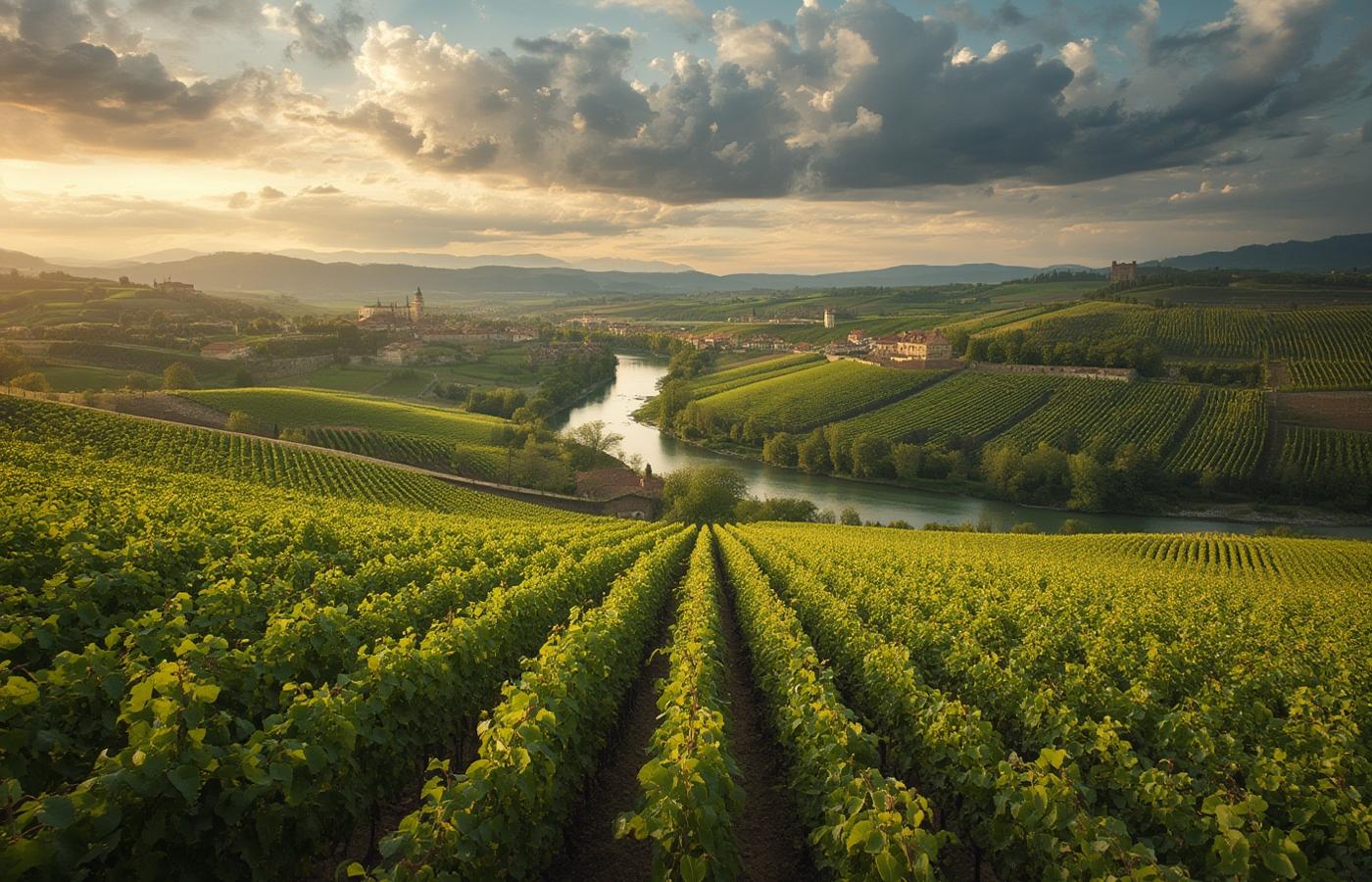
The Rhone Valley wine region is a captivating destination for wine lovers focused on Syrah and Grenache varieties. This area offers a fascinating contrast between its northern and southern parts, each with distinct grape profiles, flavor expressions, and tourism options. Whether you aim to expand your cellar with ageworthy bottles or plan a tasting trip, understanding key differences and logistics will enhance your choices. This guide provides a practical framework to help navigate Northerner versus Southern Rhone wines, alongside market updates and travel insights.
Key Takeaways
- Decipher the best choice between Northern Rhone’s Syrah-driven wines and Southern Rhone’s Grenache-based blends using a clear decision approach.
- Understand the region’s current production trends including the 2025 dip in volumes and its implications for buyers and importers.
- Prepare for common consumer challenges and discover actionable tips for tastings, sourcing, and booking around the Rhone Valley.
- Choosing between Northern and Southern Rhone wines with practical criteria
- Key grape varieties, flavor profiles and purchasing signals
- Production and market overview for the Rhone Valley from 2023 to 2025
- Climate impact on vineyards and current adaptation strategies
- How to overcome consumer frustrations and optimize sourcing
- Suggested tasting routes and essential advice for travelers
- Final thoughts on the Rhone Valley wine region and upcoming insights
- Frequently asked questions about Rhone Valley wines
Choosing between Northern and Southern Rhone wines with practical criteria
Selecting wines from the Rhone Valley often hinges on knowing whether to focus on Northern or Southern styles, as each has distinct characteristics stemming from their terroir and grape varieties. A helpful way to decide involves answering key questions based on palate preferences, food pairing plans, cellar goals, travel logistics, and budget considerations.
The Northern Rhone is dominated by Syrah grapes, producing wines known for peppery spice, structured tannins, and excellent aging potential. Cooler climate conditions result in crisper acidity and vibrant minerality, with iconic appellations like Côte-Rôtie and Hermitage leading this style. These wines often feature single-varietal Syrah, lauded for complexity but usually coming at a higher price point.
In contrast, Southern Rhone blends revolve around Grenache, Mourvèdre, and other varieties. The warmer, sunnier climate yields riper, fruit-forward wines that typically have softer tannins and more approachable profiles upon release. Châteauneuf-du-Pape and Gigondas are prime examples where blended formats prevail. These wines can be found in more varied bottle sizes and price ranges, appealing to those seeking versatility and immediate enjoyment.
A simple decision flow to guide you could be:
- If you enjoy bold, single-varietal Syrah with a focus on cellar aging, Northern Rhone is the right choice.
- For those who prefer complex blends with rich fruit character suited for earlier drinking or diverse food pairings, Southern Rhone offers an abundance.
- Travelers constrained by budgets or limited time might find Southern appellations easier to visit and explore due to more producers open for casual tastings.
Current data confirms that production is nearly evenly split, with a slight majority coming from the Southern Rhone, reflecting its greater acreage and volume. This balance underpins the regional diversity available to buyers and visitors.More details on vineyard trends are offered by local sources.
The decision between blends and single-varietal Syrah is also influenced by the occasion; blends offer more immediate pleasure and food flexibility, while single-varietal Syrah fits collectors seeking long-term aging.
Key grape varieties, flavor profiles and purchasing signals
The four signature grapes shaping the Rhone Valley’s identity each come with identifiable tasting features and growing areas, which provide essential clues for both buying and tasting.
| Grape | Flavor and Texture Notes | Canonical Growing Sites | Label and Vintage Buying Tips |
|---|---|---|---|
| Syrah | Black pepper, dark fruit, smoky, firm tannins, ageworthy | Côte-Rôtie, Hermitage in Northern Rhone | Look for “single-vineyard” or “vieilles vignes” for distinctive bottlings; vintage variation can affect spice intensity |
| Grenache | Ripe red fruit, herbs, supple tannins, warm and generous | Châteauneuf-du-Pape, Gigondas in Southern Rhone | Blends predominate; check for well-known appellations and vintage quality |
| Mourvèdre | Gamey, earthy, dark berries, firm structure | Predominantly Southern Rhone blends | Often found in GSM blends; higher Mourvèdre percentage can indicate bolder style |
| Viognier | Floral, peach, apricot, medium body white | Primarily Northern Rhone whites like Condrieu | White Rhone offerings; vintage can influence aromatic intensity |
Understanding these elements helps differentiate wines from North and South both on the label and in tasting. The regional vintage chart adds context for expected ripeness and style shifts year on year.Discover more about signature grapes from a broad French wine regions guide.
Production and market overview for the Rhone Valley from 2023 to 2025
Recent official reports provide an overview of Rhone Valley production between 2023 and 2025. Inter-Rhône statistics indicate a slight contraction in volume for 2025, estimated around 7%, driven by producers focusing on quality and sustainability rather than quantity.
Côte-Rôtie terrain note: The appellation’s terraced vineyards sit
on slopes so steep — some exceeding 40° — that harvest equipment cannot be used; grapes
are worked by hand and transported by winch. This contributes directly to production
costs and the premium price of Côte-Rôtie AOC wines (average retail €45–€90/bottle).
Condrieu, the adjacent appellation and birthplace of Viognier, is also produced
exclusively on these terraced granitic slopes, 30 minutes south of Lyon.
This decrease appears more pronounced in the Southern Rhone, while the Northern Rhone maintains steadier output levels. Aggregate volumes reflect these trends and hint at potential pricing pressures ahead as supply tightens.
For buyers and importers, this means increased competition for top vintages and careful selection strategies to ensure value. The evolving market also suggests paying attention to appellation-specific availability, particularly for sought-after Northern Rhone Syrah bottlings and highly rated Southern Rhone blends.
Climate impact on vineyards and current adaptation strategies
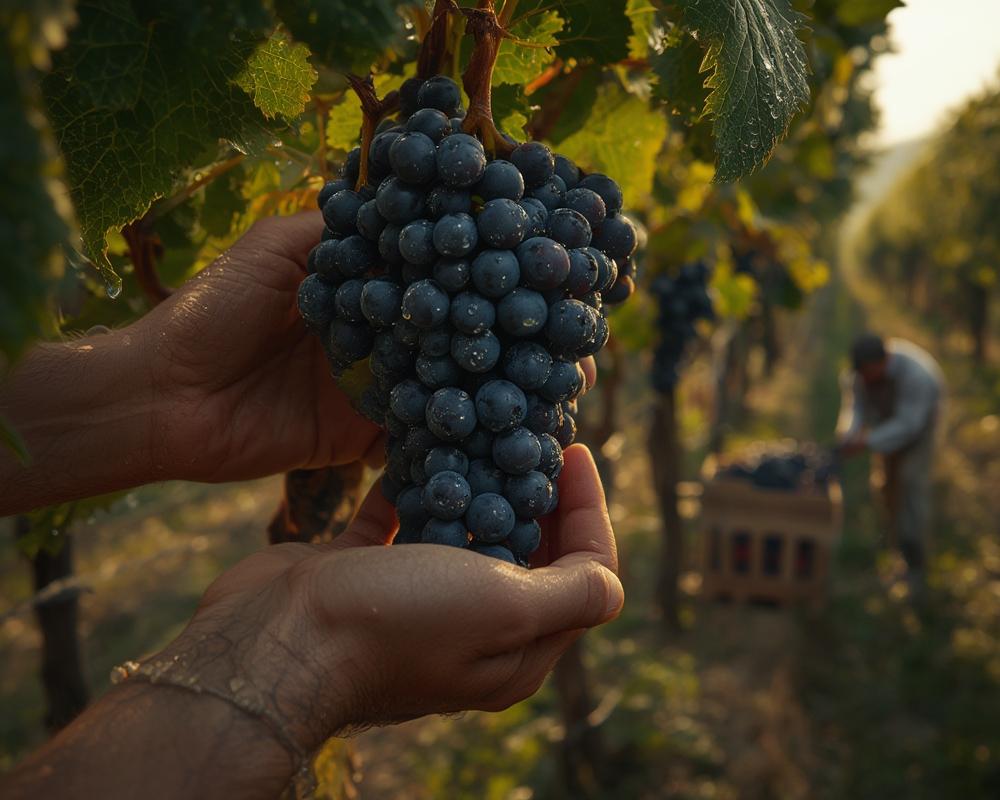
Climate change effects are discernible across the Rhone Valley, manifesting in warmer growing seasons, earlier harvests, and shifts in grape expression. Research notes a growing trend toward white wine production, reflecting market demand and climatic suitability. Northern and Southern Rhone styles react differently to these shifts, given their varied microclimates.
Industry commentary highlights proven resilience initiatives such as drought-resistant rootstocks and modified irrigation practices. However, precise climate metrics like degree-day data or detailed harvest shifts are not yet fully quantified, indicating room for deeper future analysis.
Despite data gaps, winemakers actively adapt by experimenting with altered canopy management and blending strategies to maintain stylistic identity amid changing conditions.
These proactive viticultural responses underline the region’s competitiveness, ensuring Rhone Valley wines continue to meet high standards while navigating environmental challenges.
How to overcome consumer frustrations and optimize sourcing
Consumers and trade professionals report several recurring issues when buying or tasting Rhone Valley wines. Common difficulties include confusing labeling conventions, challenges in sourcing lesser-known appellations, and inconsistent quality across producers and vintages.
The term “GSM” (Grenache, Syrah, Mourvèdre) can create ambiguity, as blend proportions vary widely. Booking winery tastings also presents friction with limited windows and advance reservation policies.
Although specific data on these pain points is limited, useful strategies exist:
- Carefully read labels for key terms like “vieilles vignes” or single-vineyard mentions, which often signify higher quality.
- Use trusted retailers specializing in Rhone wines to access rarer producers or better vintages.
- Plan visits well ahead, prioritizing renowned estates likely to require bookings, while seeking exploratory walk-in-friendly producers.
These approaches can reduce frustration and enhance the browsing or tasting experience for those exploring Rhone Valley wines.
Suggested tasting routes and essential advice for travelers
The Rhone Valley offers diverse touring experiences depending on time and focus. Sample itineraries include:
Tasting Routes: Verified Estates and Prices
Northern Rhône
- M. Chapoutier (Hermitage, Crozes-Hermitage, Côte-Rôtie, Condrieu) —
Tain-l’Hermitage. The Chapoutier estate is the largest single owner of Hermitage
AC, with 30.6 hectares on the granite hillside. Cellar visits with guided
tasting bookable at chapoutier.com. Bottle benchmarks: Crozes-Hermitage from ~€18;
Monier de la Sizeranne Hermitage 2020 retails at ~€125 (Wine-Searcher). - Paul Jaboulet Aîné — La Roche-de-Glun. Historic house behind
La Chapelle Hermitage. Tasting and discovery experiences at their VINEUM space on the
Hermitage hillside.
Southern Rhône
- Château de Beaucastel (Châteauneuf-du-Pape AOC) — Courthézon.
Free guided cellar tour, reservation required 2–3 weeks in advance (TripAdvisor 2026).
Wines not sold at the estate; available at their boutique in Châteauneuf-du-Pape town.
Average bottle price: ~€85–€110 (Wine-Searcher). - The town of Châteauneuf-du-Pape concentrates dozens of cellar doors
around the ruins of the Avignon popes’ summer castle. Average guided cellar tour +
tasting: €54 per person (Winalist 2026). Cave shop tastings typically
€10–€20, often waived with a purchase.
Important 2025 update: Emmanuel Reynaud, the reclusive winemaker behind
Château Rayas, passed away in November 2025. The estate continues under his sons
Louis-Damien and Benoît Reynaud. Rayas has never offered public visits and operates
exclusively on trade allocation — plan sourcing through specialist négociants.
- A North-focused 2-day route emphasizing Côte-Rôtie and Hermitage visits, where advanced bookings are recommended due to limited tasting schedules.
- A South-focused 3-day route traversing Châteauneuf-du-Pape, Gigondas, and surrounding appellations, with a mix of walk-in wineries and booked tastings.
- A mixed 4-day itinerary combining both regions, ideal for wanting broad stylistic exposure and spotting contrasts in Syrah and Grenache wines.
Typical tasting fees vary but can average from 10 to 25 euros depending on prestige and region. Language accessibility ranges from French-only at smaller estates to multilingual hospitality at larger houses. Food pairing suggestions include game and roasted meats with Northern Rhone Syrah and Mediterranean herbs or grilled vegetables to accompany Southern Rhone blends.
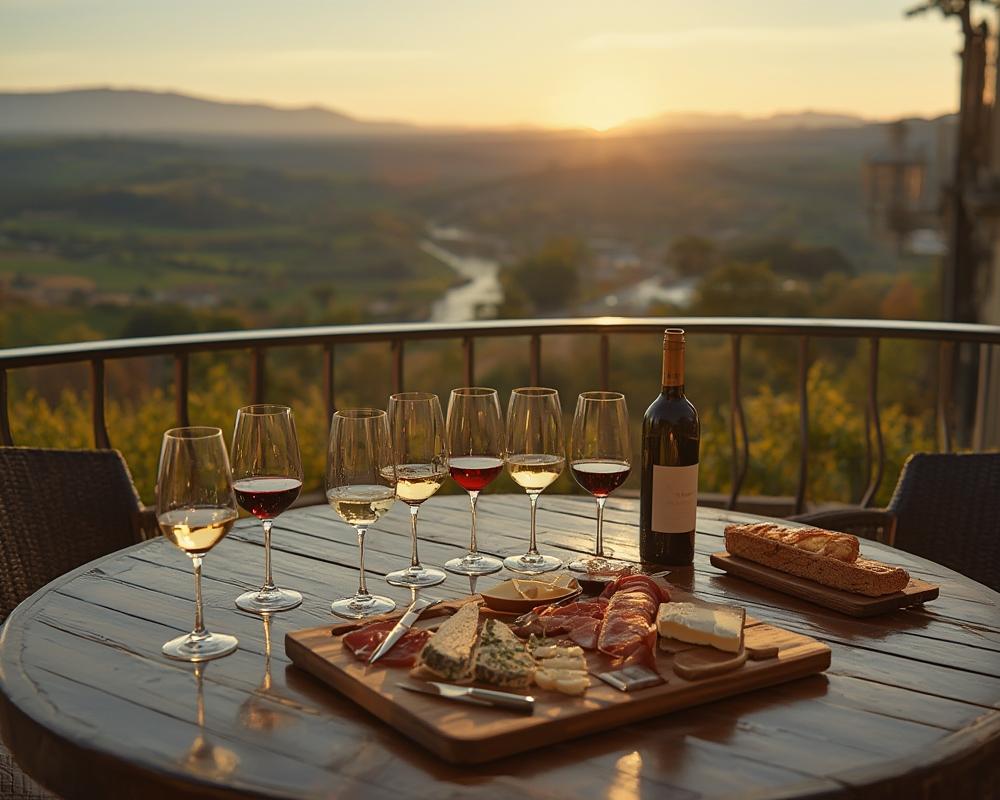
For those planning visits, it is wise to contact producers in advance and confirm hours. This improves chances of meaningful tastings and access to limited-production bottlings.
These recommendations align with regional guidelines available through wine regions of France resources, ensuring a well-rounded visitor experience.
Final thoughts on the Rhone Valley wine region and upcoming insights
The Rhone Valley wine region remains a dynamic area that balances traditional strengths with evolving challenges. While current information suffices for high-level decisions, notable gaps in quantitative data, climate modeling, and consumer feedback call for deeper investigation.
Further research will aim to clarify hectares planted by grape and appellation, detailed production volumes, pricing trends, export volumes, and precise climate impacts. Another focus will be the collection of consumer pain point prevalence and mapping of tourism logistics to improve visitor planning.
This ongoing work promises to provide a richer and more actionable guide for wine buyers, tasters, and travelers focused on this remarkable French wine region.
Frequently asked questions about Rhone Valley wines
What sets Northern Rhone Syrah apart from Southern Rhone blends?
Northern Rhone Syrah is typically single-varietal, offering peppery spice, firm tannins, and aging potential due to cooler climate influences. Southern Rhone wines often blend Grenache, Mourvèdre, and Syrah, resulting in riper, fruit-driven styles with softer tannins and greater immediate approachability.
How is climate change affecting the Rhone Valley vineyards?
Warmer temperatures and earlier harvest dates have been observed, encouraging some producers to adopt drought-resistant practices and adjust irrigation. White wine production is increasing, but full data on climate metrics and yield impacts remain incomplete.
Are there common challenges when buying or tasting Rhone wines?
Yes, consumers report issues like label confusion, sourcing rare appellations, variable quality, ambiguity around GSM blends, and difficulties in booking winery tastings. Understanding label terminology and booking in advance can reduce these problems.
What are good itineraries for tasting Rhone Valley wines?
Recommended itineraries include focused North Rhone routes in two days, Southern Rhone routes over three days, and mixed exploration spanning four days. Booking key producers beforehand is advisable to ensure access and meaningful tastings.
Where can I find more comprehensive data about the Rhone Valley wine region?
Additional details and data-driven travel guides are available through specialized French wine region resources, with ongoing research aimed at filling current information gaps on production, pricing, and climatic effects.