Loire Valley road trip: Best Guide To Beat Crowds And Save Money
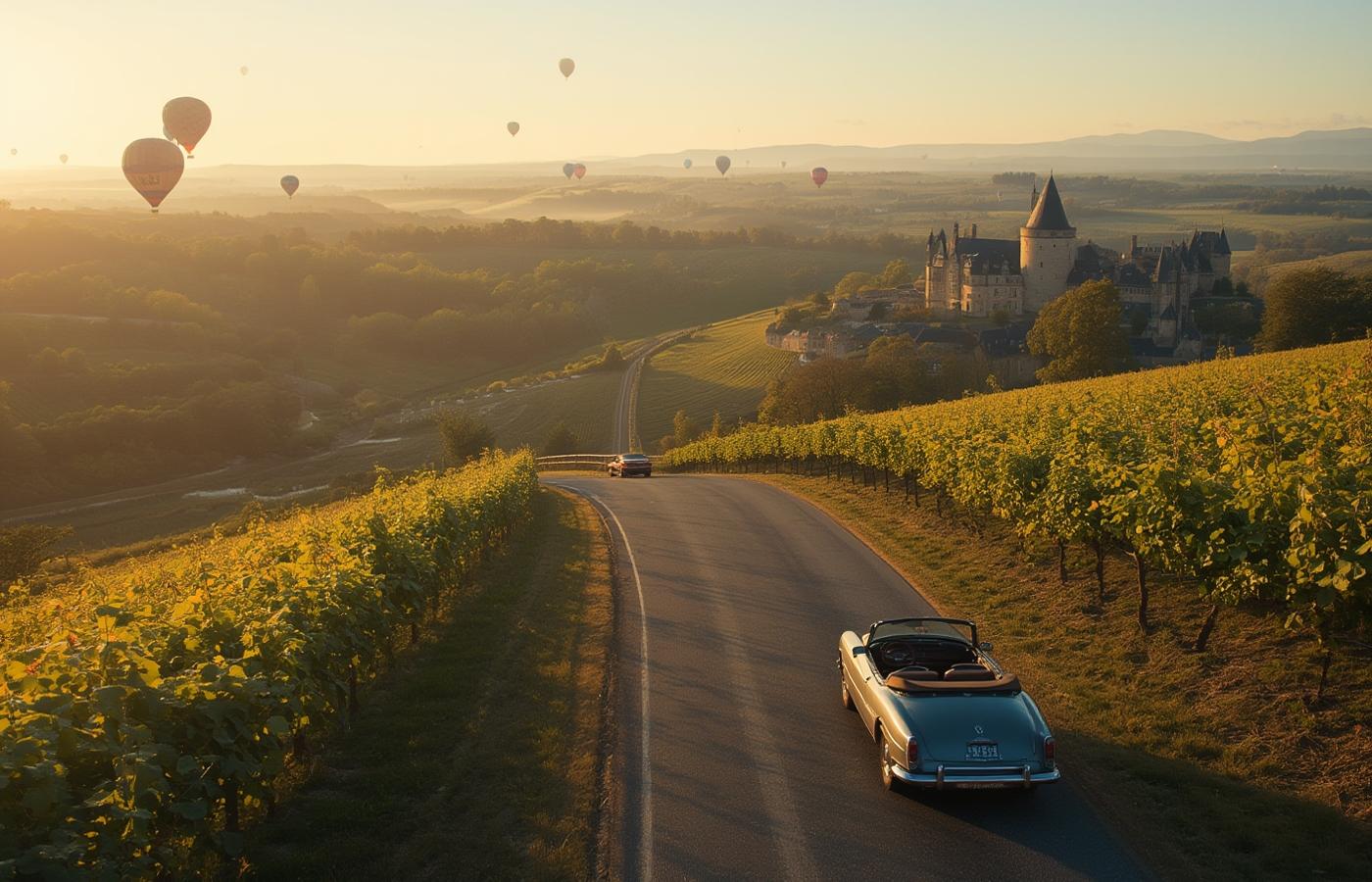
The Loire Valley road trip offers a unique journey through some of France’s most stunning châteaux and renowned vineyards. Ideal for self-drive travellers looking for a blend of heritage, wine tasting, and scenic drives, this experience combines practical itineraries with detailed planning to help avoid crowds and manage costs. Whether you plan a quick 3-day getaway or a week-long adventure, knowing where to stay, which routes to take, and how to navigate EV logistics can transform your trip from overwhelming to seamless.
Key Takeaways
- Choose your stay length based on itinerary type with bases in Tours, Amboise, Blois, or Saumur and expect budgets from €60 to over €400 per night.
- Plan visits carefully to avoid peak crowds, especially July and August, by arriving early or late in the day and booking château tours and tastings in advance.
- Incorporate practical details like car rental options, fuel costs, tolls, parking fees, and EV charging points to build a realistic daily budget and smooth driving experience.
- Selecting How Long to Stay and Where to Settle
- Optimal Seasons and Daily Timing to Beat the Crowds
- Step-by-Step Plans for Three, Five, and Seven Days on the Road
- Understanding Costs to Build Your Daily Budget
- Navigating Driving Laws, EV Charging, and Avoiding Traffic Delays
- Securing Visits and Handling Common Travel Challenges
- Wrapping Up Your Loire Valley Road Trip and Common Questions Answered
- Frequently Asked Questions about Loire Valley Road Trips
Selecting How Long to Stay and Where to Settle
Most Loire Valley travellers opt for between three and five nights, a duration that balances seeing multiple highlights without rushing. For those seeking a more immersive trip, seven nights provide room for deeper exploration. The region offers a strong hospitality network with approximately 135,000 commercial beds, ensuring ample variety from budget guesthouses (€60–100 per night) to luxurious château hotels (€200–400+ per night). Main towns to base your stay include Tours, Amboise, Blois, and Saumur, each offering a strong position to reach major châteaux and vineyards nearby with daily drives typically under 75 minutes. For a broader perspective, explore our Road Trip Itineraries France: Best Practical Guide To 2024 Routes.
Road Trip Budget Benchmarks and Driving Logistics (2025-2026)
Car rental from Tours: €40–80/day (manual economy);
+20–40% for automatic or SUV. Fuel: €1.80–2.10/litre along the A85/N152
corridor (verified in article content, france-justforyou.com).
Key driving times between chateaux:
- Amboise → Chenonceau: 26 min by Remi Tourist Line C shuttle
(no car needed for this leg); 25 min by car. - Blois → Chambord: 20 min (D112; bloischambord.com).
- Chambord → Chenonceau: 40–45 min via D102/D764.
- Amboise → Blois: 30 min by car or 30 min by TER train.
Amboise as road-trip base: Recommended for 3–7-day itineraries
for its logistical balance — 25 min from Chenonceau, 35 min from Chambord, 30 min from
Blois, with ample dining and parking (travelfrancebucketlist.com / explorewithersilia.com 2026).
Downtown Amboise: park near the Loire River and the tourist office.
Chateau Royal d’Amboise: €17.30 adult / €14.30 student /
€11 child (7–18) / free <7. Open year-round; closed 1 Jan and 25 Dec.
Leonardo da Vinci’s tomb in Chapelle Saint-Hubert — note: interior currently closed for
restoration (chateau-amboise.com 2026).
Chaumont-sur-Loire — Festival International des Jardins 2025:
Theme “Il etait une fois au jardin” (Once Upon a Time in the Garden). Tickets valid
through 1 November 2026 (tickets-chateaux.com).
Quick choices on stay length and budget tiers will guide your itinerary decisions before delving into the details of each trip day.
Optimal Seasons and Daily Timing to Beat the Crowds
April through September marks the high season, with July and August being the busiest months, especially at Château de Chambord, which welcomed over 1.1 million visitors in 2023. To improve your visit experience, aim to arrive right at opening time, typically 9:00, or late in the afternoon when crowds thin out. Sites like Chambord extend their opening hours in peak months, which offers flexibility to avoid crowded mid-mornings and early afternoons. These small schedule shifts can significantly reduce waiting times at ticket counters and parking. This is further supported by official industry data.
It helps to focus on less trafficked times of day to get the most from your château tours and vineyard tastings, as line lengths and visitor density can sharply increase by late morning and mid-day.
Step-by-Step Plans for Three, Five, and Seven Days on the Road
Here’s a practical breakdown for each trip length with precise daily activities, including travel times, recommended arrival hours, and suggested dining and lodging options.
Three-Day Experience focusing on Core Highlights
- Day 1: Base in Blois. Begin with Château de Chambord early in the morning, spending roughly three hours exploring its vast grounds. The 20-minute drive back to Blois allows for a late afternoon visit to Château de Blois and strolling the historic town. Enjoy a quality dinner in Blois with midrange hotel accommodation around €100–150 per night.
- Day 2: Transition to Amboise. Visit Château d’Amboise before 11:00 to reduce crowd exposure. Follow with Clos Lucé located a 15-minute walk away, then head to Château de Chenonceau mid-afternoon, timing arrival post-16:00 where crowds subside. Plan for local French cuisine and stay in a boutique hotel in Amboise.
- Day 3: Explore Villandry’s gardens and then Azay-le-Rideau, both ideal in the morning before tourist rush. Afternoon allows for relaxed time or wine tasting nearby. Return to Amboise or Tours for evening accommodations.
Five-Day Journey Accessing More Châteaux and Vineyards
The 5-day plan builds on the three-day setup by adding stops such as Cheverny and Chinon, balancing driving distances of 20 to 70 minutes per day. Mornings begin with precise arrival times (often at opening) and include château visits lasting 1.5 to 3 hours each. Midday meals alternate local brasseries and vineyard restaurants offering Loire specialities. Overnight stays rotate among Tours, Amboise, and Saumur to minimize backtracking and maximize time at each site.
Seven-Day Tour Extensive Regional Discovery
Over a full week, travellers can venture beyond core château corridors to include lesser-known wineries and explore scenic routes alongside Loire River drives. The flexibility of seven days allows incorporating optional activities such as cycling near vineyards, extended tastings, and attendance at local events or markets.
Understanding Costs to Build Your Daily Budget
Planning a Loire Valley road trip requires combining several expenditure categories to frame daily budgets suiting different traveller styles.
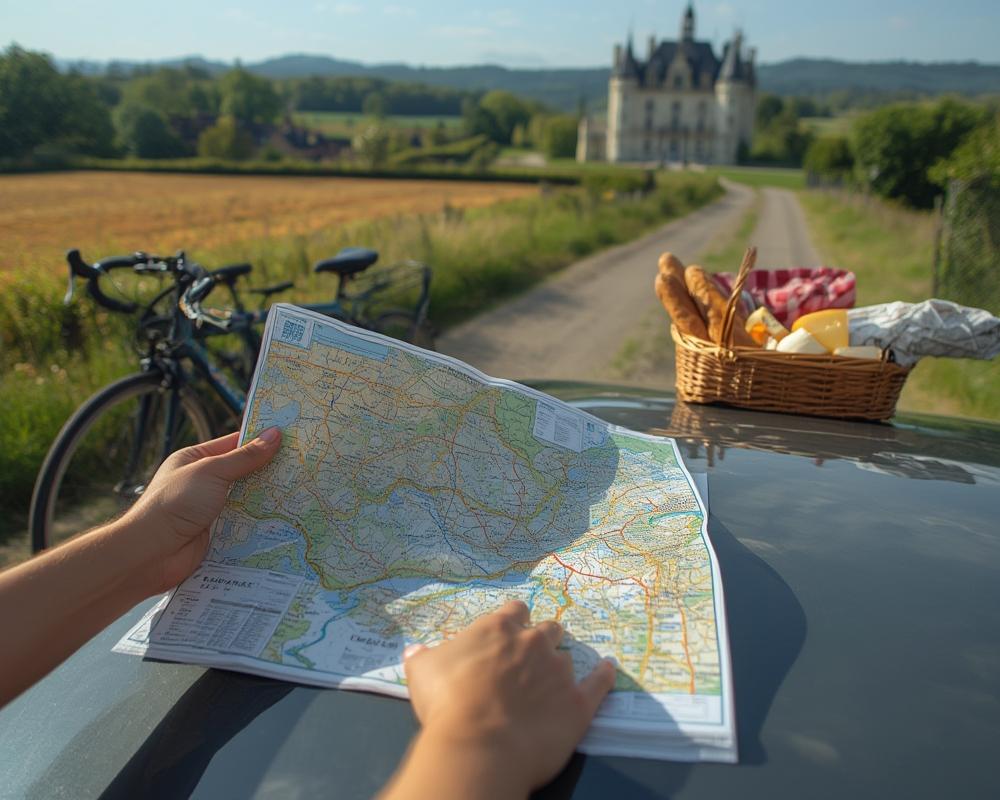
Car rental rates in Tours range roughly from €40 to €80 per day for manual economy cars and increase by 20 to 40 percent for automatics or SUVs. Fuel is priced between €1.80 and €2.10 per litre with typical drives between 100 and 200 kilometres per day. Tolls generally add €5 to €10 per long motorway segment, such as the fast route from Tours to Saumur.
Parking fees at major châteaux average €5 to €7 for a few hours but can be cramped or pricey in town centres. Ticket prices vary: Chambord charges €21 for EEA visitors and €31 for non-EEA visitors. Other châteaux, including Amboise and Villandry, typically range €12 to €18 per entry. Wine tastings fluctuate from €5 for basic flights to €25 for premium experiences.
Daily meal costs depend heavily on dining style; budget travellers can find casual options at €15 to €25 per meal, while fine dining reaches €45 or more. Combining these elements, budget-conscious tourists may plan around €100 to €150 per day, while midrange and luxury options stretch budgets accordingly.
Using a detailed budget matrix that layers rental, fuel, tolls, tickets, tasting, accommodations, and food ensures clarity and helps avoid surprises during booking and travel.
Navigating Driving Laws, EV Charging, and Avoiding Traffic Delays
Driving in France mandates keeping right and wearing seat belts at all times. Drivers must be at least 18, hold valid licenses, and non-EU drivers typically need an International Driving Permit or certified translation. Child seat laws are strictly enforced up to 12 years of age.
France’s Loire region boasts over 700 charging stations, including CCS fast chargers in major hubs like Tours. A sensible EV strategy aligns charging points with anticipated stops, especially at places where sightseeing lasts one-and-a-half hours or more, allowing efficient battery replenishment without extra downtime.
Peak traffic occurs during summer weekends and holidays, especially around popular châteaux corridors. Avoiding mid-morning visits and planning drives outside rush periods reduces stress. Roads are generally modern and well maintained, with options between faster toll roads and scenic river routes depending on traveller priorities.
These practical conditions shape a smooth self-drive experience, whether using petrol or electric vehicles.
Securing Visits and Handling Common Travel Challenges
The Loire Valley’s wine tourism network features about 350 wine cellars open to visitors, with over 1.9 million wine-tour visits annually. Most wineries offer tastings year-round with varying needs for booking; group visits (10+ people) nearly always require advance reservation. Tasting sessions last between 30 minutes and 1 hour, costing from €5 to €25 depending on the wine selection and setting.
Popular châteaux have set opening periods with some complex closure dates, necessitating checking calendars before arrival. Many of the busiest sites favor pre-booking tickets, especially for peak months.
Real traveller feedback highlights main pain points: long parking queues and limited payment points at Chambord, pricey town-centre parking at places like Azay-le-Rideau, and variability in wine-tour quality. Visitors should arrive early to avoid congestion, vet wineries before booking, and confirm languages offered during tastings or tours.
Advance planning and flexibility can mitigate these frequent difficulties to ensure a more enjoyable visit.

Wrapping Up Your Loire Valley Road Trip and Common Questions Answered
Completing a Loire Valley road trip is a rewarding experience blending cultural treasures, stunning landscapes, and fine wines. Thoughtful planning around trip length, budget tiers, timing, and route logistics creates a smooth journey with fewer unexpected delays or expenses. Be sure to book high-demand château visits and tastings well in advance, allow buffer times for parking or traffic, and consider EV options if applicable.
This approach invites more relaxed days and deeper connection with the region’s unique heritage and culinary delights. With clear daily plans, realistic budgets, and crowd-avoidance strategies, you can enjoy the Loire Valley at your own pace and create lasting memories.
Frequently Asked Questions about Loire Valley Road Trips
What is the best town to base a Loire Valley road trip?
Tours is the most popular base offering central access to major châteaux and well-developed amenities. Amboise, Blois, and Saumur are also good hubs depending on your focus, with slightly different nearby attractions and atmosphere.
How many days should I spend on a Loire Valley road trip?
Trips commonly last between three and five nights to see main highlights comfortably. A full week allows deeper exploration including less-visited châteaux and wine regions along the Loire.
When should I visit to avoid the largest crowds?
Visiting outside July and August is best for fewer crowds. When visiting during high season, plan to arrive at châteaux right at opening time or late afternoon to avoid peak day-trip visitor waves.
Is it difficult to rent and drive an electric car in the Loire Valley?
Not at all. There is a dense network of charging stations, including fast chargers in Tours and other towns. Planning charging stops aligned with château or wine-tasting visits helps ensure a convenient EV experience.
Do I need to book château visits and wine tastings in advance?
Pre-booking is strongly recommended for popular sites, especially during high season, and generally required for group wine tastings. Booking early secures preferred time slots and avoids disappointment.