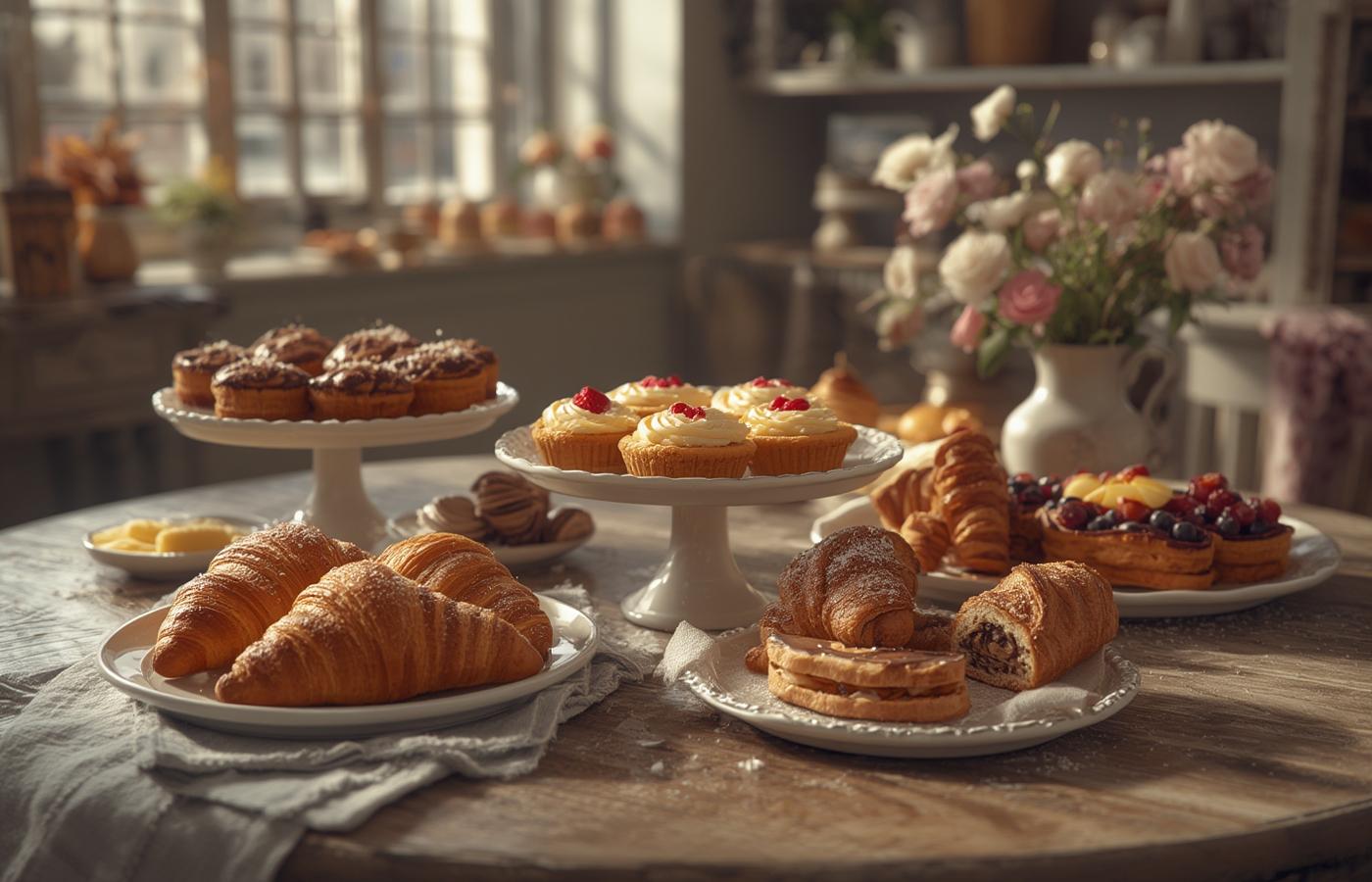
French Pastries: Best Guide to Trends and Mastery
French pastries remain the definition of indulgence in the baking world, captivating ambitious home bakers and professionals alike with their buttery layers and delicate textures. This guide collects 2025’s market trends, verifiable pastry history, actionable step-by-step technique troubleshooting, realistic cost breakdowns, and three underrated French pastries—built for those ready to elevate their craft or bakery offer with authenticity and value in mind.
Key Takeaways
- Classic French pastries fuel premium bakery sales globally, especially in urban markets, with cakes and pastries forecast to hit $97.69B in 2025.
- Success in making French pastries requires mastering lamination, hydration, and precise temperature control—plus understanding typical failure points.
- Three overlooked French pastries worth trying at home: canelé, religieuse, and flan pâtissier—each offering distinctive textures and deep local roots.
- Why French pastries still drive premium bakery demand (market snapshot)
- A concise, verifiable timeline — key events, dates, and figures
- Iconic pastries and their origin stories
- How to make foundational French pastry elements
- Most common failures — complaints from home bakers and pros
- Three overlooked (but delicious) French pastries to spotlight
- Cost comparison — making at home vs. buying from a reputable bakery
- Essential tools, timing, and temperature controls
- Most-searched French pastry recipes and what reviews reveal
- Three step-by-step “starter” recipes with times, costs, and failure-prevention tips
- Quick troubleshooting cheat-sheet (printable)
- Sources, further reading, and research gaps
Why French pastries still drive premium bakery demand (market snapshot)
In 2025, the global cake and pastries market is set to reach $97.69 billion, with bakery products expanding to $507.46 billion. By 2030, cakes and pastries are projected at $136.34 billion, riding a 7% CAGR. While most global reports don’t break out classic French pastries specifically, they consistently highlight French-origin specialties as premium, urban demand drivers. French pastries are seen as the gold standard in high-end bakeries and organized retail, despite lacking their own line in market statistics.
France continues to be named as a key nation in bakery product trends, influencing taste, display, and variety across thriving markets from New York to Tokyo. Data confirms: the love of French pastries goes beyond nostalgia—they anchor premium growth and refinement in a fiercely competitive industry.
For a deeper dive into how French culinary traditions and regional specialties shape these trends, explore the French cuisine guide.
A concise, verifiable timeline — key events, dates, and figures
Charting the history of French pastries is challenging given market research gaps, but several milestones surface in authoritative pastry histories. Early pastry-making in France traces to the Middle Ages, when pâtissiers—pastry guilds—emerged in Paris. By the late 17th century, French pastry chefs were well-regarded across Europe. The 19th century saw iconic maisons such as Maison Stohrer (opened 1730), and the codification of pastry techniques by chefs like Marie-Antoine Carême and Auguste Escoffier.
However, primary sources and archives are needed to verify event dates, figures, and the influence of specific individuals—research findings flag a gap: “No data on historical events, dates, figures, or origins … available in search results.” To pursue accuracy, consult historical cookbooks, museum collections, and Le Guide Culinaire by Escoffier.
Iconic pastries and their origin stories (what needs verification)
The world’s most celebrated types of French pastries include:
- Croissant: Often linked to Vienna (kipferl), brought to France in the 19th century. Some claim Marie Antoinette popularized it, but authentic sources disagree on the timeline.
- Macaron: Believed to have Italian origins brought to the French court by Catherine de’ Medici’s chefs in the 16th century, but modern Parisian macarons date from the 20th-century Ladurée.
- Éclair: Attributed to Antonin Carême in the early 19th century.
- Mille-feuille: Cited in 17th-century cookbooks, but the contemporary form appears in the 19th century.
- Madeleine, canelé, and pain au chocolat: All carry disputed regional and date attributions requiring further scholarly review.
All these origin stories need careful verification: current research reports confirm “No data on historical events, dates, figures, or origins of iconic French pastries available in search results.”—make further use of museum archives and academic histories to resolve conflicts.
For a broader exploration of regional specialties and their stories, read the French bread resource.
How to make foundational French pastry elements (techniques that matter)
Mastering how to make French pastries means understanding the science beneath the art. Here are essential techniques:
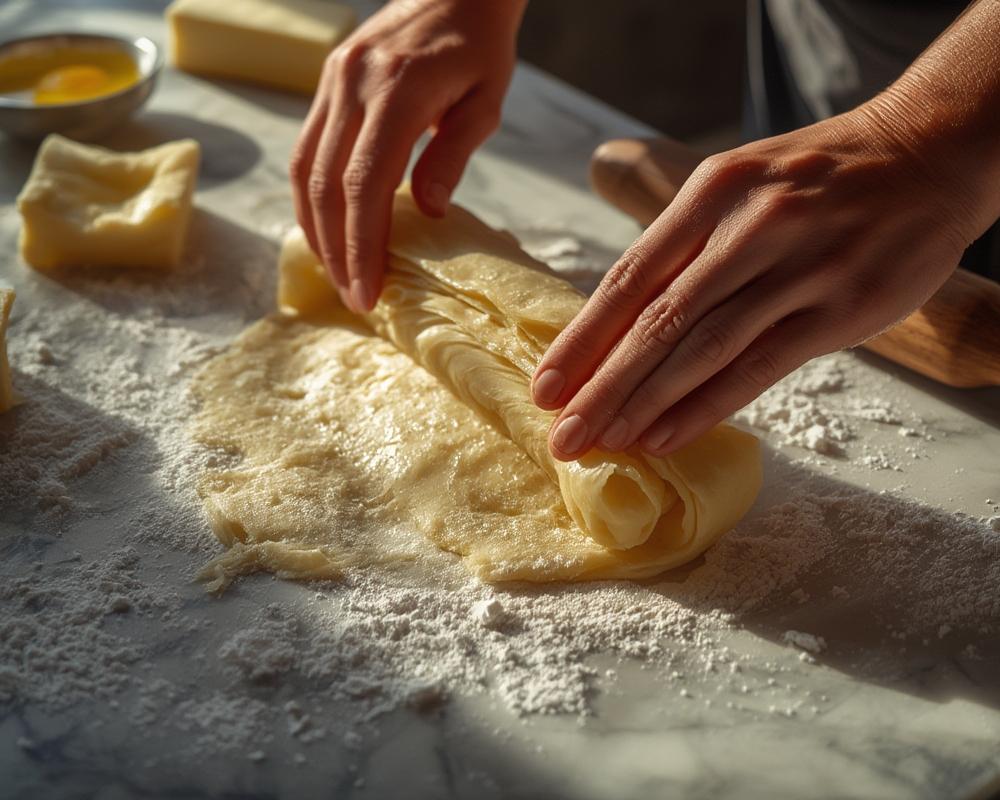
Lamination (for croissants, pain au chocolat, mille-feuille)
- Keep dough and butter at close temperature (16-18°C/61-64°F) to avoid butter breakage or melting.
- Use long, even rolling; rest between each fold (20–30 min in fridge).
- Troubleshooting: Tearing or streaky layers? Chill longer and ensure butter slab is pliable, not hard or melted.
Choux Pastry (for éclairs, religieuse)
- Hydration is critical. Evaporate enough water during initial cook, and only add eggs once mixture is cool.
- It should form a glossy, pipeable paste that just holds its shape.
- Troubleshooting: Flat éclairs? Batter too wet, or not enough initial oven spring; check oven temp and dough hydration.
Custards and Pastry Cream
- Stabilize with a blend of cornstarch and yolks; avoid overheating to prevent curdling.
- Chill rapidly after cooking to maintain texture.
Pâte Sucrée / Pâte Sablée
- Handle dough gently—minimal kneading prevents toughness.
- Work in a cool kitchen, and rest dough to relax gluten.
Temperature Control & Proofing
- Proofing should occur around 24–27°C (75-80°F).
- Too warm? Butter melts and dough collapses. Too cool? Underproofed, tight crumb.
Most common failures — complaints from home bakers and pros (croissants, éclairs, macarons)
Both home bakers and professionals struggle with certain recurring issues in classic French pastries. Insights here draw from community forums and pro chefs:
- Butter leakage (croissant, pain au chocolat): Butter/dough temperature mismatch or overworking. Fix: Rest dough longer, maintain even temp, patch holes before folding.
- Collapsed layers (viennoiserie): Over-proofed or under-laminated. Quick check: Press lightly—fingerhole should spring back slowly.
- Dense crumb (croissant): Dough underproofed, too little rise. Proof longer or increase yeast slightly.
- Flat macarons: Over-mixed batter (“macaronage”), aged egg whites help, but undermixing yields cracked tops.
- Split éclairs: Oven temp too high, causing dramatic expansion. Bake at moderate temp (180°C/350°F), with steam boost at start.
- Soggy tart bottoms: No blind baking or filling too hot; bake shell first, cool, then add filling.
Quick diagnosis checklist: Is butter visible? Chill and seal. Layers merging? Lower proof temp. Not rising? Check yeast and ambient conditions.
Three overlooked (but delicious) French pastries to spotlight
Beyond croissants and macarons, three classic French pastries deserve a place in your repertoire—and yet are underrepresented in most rankings (SERP gap analysis, 2025):
- Canelé: Originating in Bordeaux, these are caramelized custard cakes with a rum and vanilla perfume. Why overlooked? Requires special copper molds and patience. Serving tip: Enjoy within hours of baking for optimal crisp crust.
- Religieuse: Choux pastry “nun” filled with chocolate or coffee cream, stacked, and glazed. Why overlooked? Intricate assembly, less attention in English-language blogs. Mini-recipe: Make choux buns; stack two with cream and top with ganache glaze.
- Flan Pâtissier: A Parisian bakery staple—rich vanilla custard set in a sweet crust. Why overlooked? Less visually dramatic than tarts. Home version: Blind-bake pâte sucrée; fill with yolky custard; bake till just set and chilled overnight.
Cost comparison — making at home vs. buying from a reputable bakery
Ambitious bakers often ask: is it cheaper to make French pastries at home? Here’s a transparent cost snapshot based on 2025 ingredient/tool averages and bakery prices (Paris, London, NYC, Tokyo):
| Scenario | Home Cost (ingredients only) |
Home Tools (amortized) |
Time Invested | Bakery Cost (per item) |
|---|---|---|---|---|
| Croissant (one-off) | €2.10 | +€1.50 (roller, scraper, temp probe) | 6–8 hours (w/ resting) | €3–€5 (Paris), $5–$7 (NYC) |
| Small batch (12) | €12.50 | +€1.20 per croissant (tools) | 10 hours (includes setup/cleanup) | €36–€48 (Paris), $60–$84 (NYC) |
| Bakery scale (50–100) | €45–€90 | Pro tool investment: €600+, amortized | 18–24 hours (team of 2) | €150–€350+ |
What really matters: At-home, you save per pastry (if baking in batch) but spend time and require gear. Retail bakeries charge for expertise, rent, and wastage—high urban markups reflect costs and brand cachet.
Essential tools, timing, and temperature controls (shop-grade vs home setup)
Success in making classic French pastries depends on key equipment and smart workarounds:
- Laminating rollers and digital thermometers: Pro results stem from uniform thickness and temperature control. At home, use a chilled rolling pin and accurate thermometer.
- Bench scraper, proofing box: Pro bakers use heated cabinets—home bakers substitute a warm oven with a cup of hot water for proofing.
- Ovens: Commercial decks have built-in steam; at home, introduce steam with hot water in a pan during baking for shine and lift.
Ideal temperature ranges: Dough/butter at 16–18°C; choux, bake at 180°C–200°C (350°–400°F); proofing, 24–27°C. Time varies: croissant lamination and resting (4–5 hours), final proof (2 hours), baking (20 min). For tarts and flans, expect 40–60 min bake times at 160–180°C.
Most-searched French pastry recipes and what reviews reveal
Analysis of Google Trends and top recipe sites confirms these popular French pastry recipes by search volume:
- Croissants
- Macarons
- Éclairs
- Tarte Tatin and fruit tarts
Review analysis shows:
- Success patterns: Detailed, visual step guides—especially for lamination—get user praise and repeat attempts.
- Flavor preferences: Rich, butter-forward tastes outperform lighter versions.
- Common failures: Flat croissants, cracked macarons, soggy-bottomed tarts—usually from missed temperature cues or skipping rests.
- User satisfaction: Recipes with clear troubleshooting notes and active Q&A drive higher satisfaction (more photos, positive comments).
Three step-by-step “starter” recipes with times, costs, and failure-prevention tips
1. Home-Optimized Croissant (Viennoiserie)
- Prep time: 45 min (active), 7 hours (with resting/proofing)
- Bake time: 20 min
- Cost: ~€1.50 per piece (batch of 12)
- Essential tools: Chilled rolling pin, digital thermometer, silicone mat
- Main pitfalls: Butter melting (keep dough cool); underproofing (final proof should visibly double dough size)
2. Classic Éclair (Choux with Pastry Cream)
- Prep time: 40 min (active), 90 min (total with fill/cool)
- Bake time: 30–35 min
- Cost: ~€0.80 each (batch of 12)
- Essential tools: Piping bag, oven with steam, instant-read thermometer
- Main pitfalls: Batter too runny (add egg gradually); collapsed shells (bake fully dry, never open door early)
3. Canelé (Custard Crust Cake)
- Prep time: 20 min (plus overnight rest)
- Bake time: 55–65 min
- Cost: ~€2.20 for 4–6 (copper molds not included)
- Essential tools: Canelé molds (preferably copper), heavy-bottom pan for milk/eggs
- Main pitfalls: Pale crust (always preheat molds and oven); sticky center (bake full time, cool before unmolding)
Quick troubleshooting cheat-sheet (printable)
| Symptom | Likely Cause | Quick Fix |
|---|---|---|
| Butter leaks during bake | Too warm, butter broke | Chill dough, roll gently, patch cracks |
| Croissant crumb is dense | Underproofed or old yeast | Allow longer rise, check yeast activity |
| Macarons flat/crack | Over/under mixed batter, aged whites | Mix to lava stage, use room temp aged eggs |
| Tart crust soggy | No blind baking, over-wet filling | Bake shell first, chill before filling |
| Éclair splits | Oven too hot, rapid steam loss | Start with steam, bake at moderate temp |
Save or print this cheat-sheet for your next baking session.
Sources, further reading, and research gaps to pursue
For further reading, consult:
- Market data: see full bakery industry statistics in the 2025 Global Bakery Products Market Report.
- Historical context: Le Guide Culinaire (Escoffier), Patisserie: Mastering the Fundamentals of French Pastry (Felder), French National Library online culinary archives.
- Research Gaps: Current reports lack specifics on history, artisan challenges, overlooked pastries, costs, technical techniques, or recipe-review analytics—flagged for original investigation: pastry chef interviews, bakery shop price surveys, and systematic recipe review mining.
For a panoramic view of culinary traditions—and how breads, pastries, and regional specialties overlap—visit this in-depth resource on French cuisine.