Bordeaux Wine Region: Proven Guide to the Best Touring Tips
Bordeaux wine region travel and selection have never been more complex or more rewarding than they are in 2024. Shrinking harvests, shifting styles, and rapid industry changes mean visitors and buyers need up-to-date, actionable guidance for both planning a visit and understanding what to buy or taste.
Key Takeaways
- Bordeaux’s 2024 harvest is the smallest in decades, highlighting why trip planning and buying strategies must adapt to rapid change.
- Classic reds remain dominant, but sparkling Crémant and dry whites are rising fast, while bulk wine and vineyard area contract sharply.
- Travelers should budget for higher tasting fees, plan visits in advance, and research up-to-date producer openings and costs to avoid pain points.
- Bordeaux 2024 snapshot and context
- Step by step guidance for touring and choosing wines in Bordeaux
- Analysis of production realities, market conditions and common pitfalls
- Final thoughts and next actions for Bordeaux wine lovers
- Frequently asked questions about Bordeaux wine region
Bordeaux 2024 snapshot and context
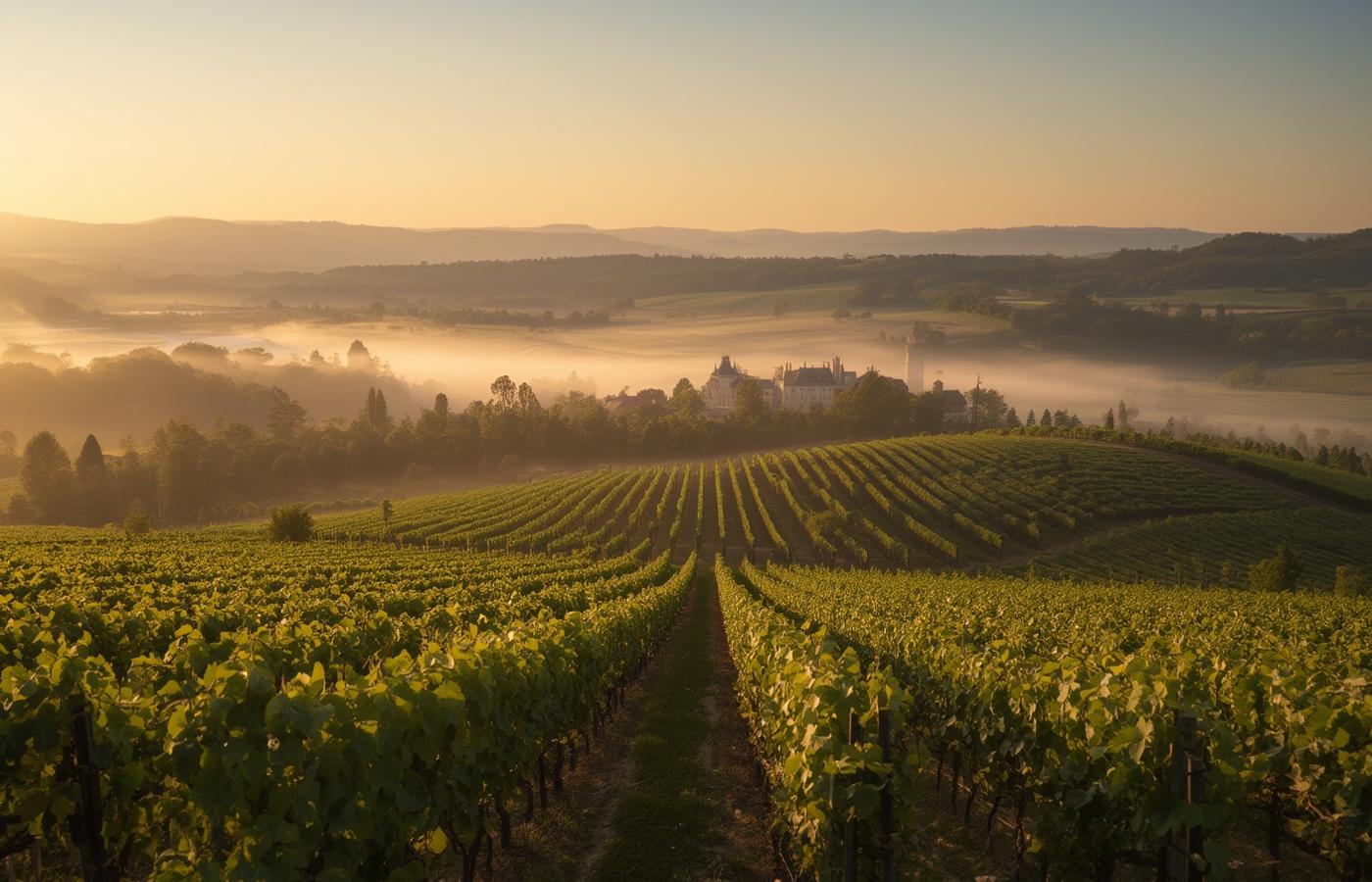
In 2024, the Bordeaux wine region faces a pivotal year as production shrinks to 331.8 million litres across 94,700 hectares. This yield, just 35 hectolitres per hectare, marks the smallest harvest since 1991 and is a dramatic 23 percent lower than the prior decade’s average. Bordeaux’s vineyards have contracted quickly due to the removal of underperforming vines, accentuating long-term changes in style, scale, and the visitor experience. The mix remains heavily red (80.5 percent), but with notable growth in Crémant sparkling and fresh dry whites. For travelers and informed buyers, 2024 is a year that demands research, real-time information, and an adaptable mindset.
Step by step guidance for touring and choosing wines in Bordeaux
Planning a rewarding Bordeaux experience starts with understanding the region’s changing shape and visitor logistics. Here is a stepwise approach for both wine travelers and consumers making purchase decisions:
Where to Visit: Bordeaux Châteaux and Tasting Prices
Bordeaux welcomes wine visitors year-round, with the harvest window
(20 September–15 October 2026) being the most sought-after period — book at
least three weeks in advance as autumn slots sell out from July
(Pixidia/ruedesvignerons.com 2026).
- Château Kirwan (Margaux, 3ème Grand Cru Classé) — receives
approximately 15,000 visitors per year; guided tours available in
French, English, and German. Advance booking required. - Château La Dominique (Saint-Émilion Grand Cru Classé) —
architecturally notable estate; boutique open without appointment, cellar and
vineyard tours by advance reservation.
Tasting visit prices (2026): entry-level château experiences from
£16 per person; full-day private tours of Saint-Émilion and Pomerol
with a local sommelier guide reach £100–£200; prestige private
experiences up to £640 (Viator 2026).
Bottle Price Benchmarks — 2025 Vintage
The 2025 vintage has been rated as a strong Left Bank year:
Saint-Julien performed consistently across the appellation; Margaux is considered the
appellation of the vintage (K&L Wines, Wine Spectator 2026).
- Entry-level Right Bank and satellite appellations (Fronsac, Blaye Côtes de
Bordeaux): £20–£30 per bottle for high-quality drinking wine. - Lynch-Bages 2025 (Pauillac, 5ème Cru Classé): released at
€86 ex-négoce, approximately $100 at US retail
(K&L Wines on the Trail, April 2026). - First Growths (Lafite Rothschild, Mouton Rothschild, Haut-Brion): prices increased
20%+ over 2024 releases; most other crus raised 5–28%.
Where to Visit: Bordeaux Châteaux and Tasting Prices
Bordeaux welcomes wine visitors year-round, with the harvest window
(20 September–15 October 2026) being the most sought-after period — book at
least three weeks in advance as autumn slots sell out from July
(Pixidia/ruedesvignerons.com 2026).
- Château Kirwan (Margaux, 3ème Grand Cru Classé) — receives
approximately 15,000 visitors per year; guided tours available in
French, English, and German. Advance booking required. - Château La Dominique (Saint-Émilion Grand Cru Classé) —
architecturally notable estate; boutique open without appointment, cellar and
vineyard tours by advance reservation.
Tasting visit prices (2026): entry-level château experiences from
£16 per person; full-day private tours of Saint-Émilion and Pomerol
with a local sommelier guide reach £100–£200; prestige private
experiences up to £640 (Viator 2026).
Bottle Price Benchmarks — 2025 Vintage
The 2025 vintage has been rated as a strong Left Bank year:
Saint-Julien performed consistently across the appellation; Margaux is considered the
appellation of the vintage (K&L Wines, Wine Spectator 2026).
- Entry-level Right Bank and satellite appellations (Fronsac, Blaye Côtes de
Bordeaux): £20–£30 per bottle for high-quality drinking wine. - Lynch-Bages 2025 (Pauillac, 5ème Cru Classé): released at
€86 ex-négoce, approximately $100 at US retail
(K&L Wines on the Trail, April 2026). - First Growths (Lafite Rothschild, Mouton Rothschild, Haut-Brion): prices increased
20%+ over 2024 releases; most other crus raised 5–28%.
- Choose your subregion focus: Decide whether to spend time in the Médoc (classic châteaux, 13 percent of output), the limestone hills of St-Émilion and surrounding right bank (over 10 percent), or opt for the accessible value and fresh whites of Entre-Deux-Mers or the Crémant boom around Bordeaux proper.
- Book visits and tastings early: Due to increased appointment requirements and unpredictable opening hours, secure your château tours well in advance. Prioritize classified growths or recommended small domaines that welcome visitors.
- Budget carefully: With tasting fees and tour costs rising, factor in a range from 10 to 60 euros for basic tastings, and higher for private tours or premium experiences. Confirm actual costs directly, as price averages fluctuate with season and estate profile.
- Coordinate transport and lodging: Public transit is limited outside Bordeaux city. Renting a car (or hiring a driver) is usually essential for accessing rural estates. Book lodging early, especially in high season or near major wine villages.
- Prepare for stylistic diversity: Bordeaux reds, especially 2024, may show more freshness in top sites but be aware of more limited supply. Dry whites and Crémant can offer superb value and accessibility for tastings and shopping.
- Bring flexibility: Local closures, language barriers, and short-staffed estates mean a degree of improvisation is often needed. Have backup wineries on your list and double-check visit confirmations 24 hours ahead.
Analysis of production realities, market conditions and common pitfalls
Bordeaux’s annual output has fallen sharply. The 2024 production volume of 331.8 million litres, covering 94,700 hectares, represents an ongoing contraction from 103,200 hectares just a year before. Over 40 percent of wine made is basic Bordeaux or Bordeaux Supérieur, with key subregions such as Médoc (13 percent) and St-Émilion satellites (>10 percent) making up the next biggest shares.
The dramatic reduction in harvested area is mainly driven by the uprooting of low-value, high-yield red vines that have become unsalable. At least 30 percent of the area in 2024 was deemed financially unviable. As a result, Crémant production has boomed (from 555 to 1,722 hectares and from 4.5 to 15.5 million bottles between 2021 and 2024), while dry white wines and rosés showed more resilience in yields and style vibrancy.
This production squeeze means that bottles are less plentiful (500 million/year now, compared to 775 million during 2001–2010), directly impacting both pricing and availability—especially for reds. It also forces the market to adjust: some en primeur offers are smaller, bulk wine prices are weak, and a larger share of the vineyard is devoted to value-focused or sparkling wines.
For visitors, pragmatic adaptation is key. Top traveler pain points, based on current and previous visitor reviews, include the need for appointments, higher tasting and tour costs, language hurdles, and limited public transportation. To minimize stress, pre-book visits, target estates known for visitor service, and consider guided tours or hiring a local driver. Costs for tastings and tours have increased, particularly at classified estates and in high season, so check prices directly with each property and read recent reviews for the most up-to-date expectations.
| Aspect | 2011–2020 Average | 2021–2024 | 2024 |
|---|---|---|---|
| Vineyard Area (ha) | 107,000 | 100,000+ | 94,700 |
| Annual Production (litres) | 487 M | 376 M | 331.8 M |
| Bottle Equivalents | 775 M | 500 M | Approx. 500 M |
| Reds/Total (%) | ~85% | 81% | 80.5% |
| Crémant Area (ha) | n/a | 555–1,722 | 1,722 |
Final thoughts and next actions for Bordeaux wine lovers
The Bordeaux wine region in 2024 is dynamic, with record-low harvests and swift restructuring. For travelers and buyers, research, flexibility, and early booking matter more than ever. To get the most from your experience—whether tasting, buying, or touring—plan ahead, check recent reviews, and don’t overlook rising categories like Crémant and dry whites. See the latest wine regions of France guide for more in-depth regional tips, and always seek out up-to-date local advice. Be proactive to ensure your Bordeaux trip or purchase hits the mark.
Frequently asked questions about Bordeaux wine region
What is the most common wine style produced in Bordeaux in 2024?
Red wines remain dominant, making up over 80 percent of Bordeaux’s 2024 production, though dry whites and Crémant sparkling wines are growing.
Has Bordeaux’s vineyard area changed much in recent years?
Yes, vineyard area shrank from over 103,000 hectares in 2023 to 94,700 hectares in 2024 due to the ongoing removal of financially unsustainable vines.
Are appointments needed to visit most Bordeaux châteaux?
Advance bookings are now strongly recommended for most estates, especially classified growths, as walk-in access is uncommon and peak times fill up quickly.
What travel pitfalls should I be aware of when touring Bordeaux wineries?
Common challenges include higher tour and tasting fees, mandatory appointments, limited public transport, potential language barriers, and occasional unexpected closures.