
Budget Travel France: Best Guide To Save On Daily Costs
Budget travel France strategies in 2024 give you more than just general tips—here you will find realistic daily costs, city-specific budget options, and proven ways to explore France affordably without missing out on its best experiences.
Key Takeaways
- Budget travelers in France spend about €55–120 per day all-in, with Paris at the high end and Marseille, Toulouse, or countryside regions much lower.
- Mixing hostels, campsites, bakeries, and discount trains like Ouigo makes France’s top destinations surprisingly accessible even on a tight budget.
- Biggest savings come from flexible transport, advance booking, and tracking the latest free city or museum initiatives you won’t find in most guides.
- A realistic look at daily expenses for traveling France on a budget
- Finding the cheapest places to stay in cities and rural areas
- Meal planning tactics for eating well and spending less
- Traveling between cities and regions without breaking the bank
- Quantifying transport savings with up-to-date examples
- Choosing affordable destinations and planning low-cost itineraries
- Planning for free and low-cost experiences in French cities
- Difficulties travelers often face and how to work around them
- Three money-saving strategies you will not find elsewhere
- Seven day France itinerary with exact costs and planning details
- A booking and preparation timeline for smooth budget travel in France
- Tasks for ensuring your plan is up to date
A realistic look at daily expenses for traveling France on a budget
France can be intimidatingly expensive, but for those focused on budget travel France, practical numbers matter more than big promises. In 2024, the typical daily range for low-cost travelers runs from €55 to €120 depending on the city and your habits. The largest factor is accommodation: Paris averages €70–130 for a dorm bed or cheap hotel, dropping to €40–75 in places like Marseille, and about €55–100 in countryside locations. Daily food budgets often rest between €12 and €38 per person if you stick to bakeries, set lunches, or local markets. Public transit and intercity buses/trains typically account for €3–15 each day, depending on how much you move around. Activities, especially in major cities, average €8–35—although with good planning, much of the best art, history, and culture can be accessed free or nearly so. Use these figures to set an honest daily target.
Finding the cheapest places to stay in cities and rural areas
The secret to cheap travel France tips always begins with where you sleep. For Paris, expect hostel dorms to start around €70—sometimes higher in summer—while a no-frills budget hotel may run €110–130 even in non-peak months. In contrast, cities like Lyon or Marseille offer beds from €40 to €90, and basic hotels are easier to snag for less. For real bargains, rural France (Provence, Brittany, Dordogne) is loaded with campgrounds and “gîtes” where you may find deals under €60 per night, especially if you book early. Airbnb may supplement gaps but does not always undercut hostel rates in high-demand destinations. To get the cheapest rates, look for non-refundable deals and be flexible with your neighborhood choices—staying one metro stop past the tourist center can halve prices while saving on noise and crowds. Book campsites or hostels a month ahead for peak summer.
Meal planning tactics for eating well and spending less
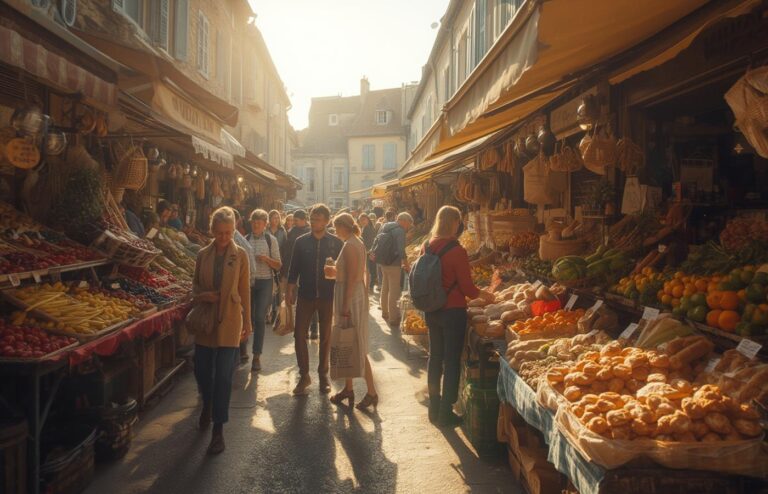
Planning a budget trip to France does not require skipping great meals. The best strategy involves boulangerie sandwiches and pastries at breakfast, hearty market picnics for lunch, and a prix-fixe “menu du jour” or supermarket ready meal for dinner. A classic Paris bakery lunch is €6–12, while a sit-down restaurant will set you back €20–35. In Marseille or countryside markets, eating can be done for closer to €12–20 a day if you prepare your own simple meals or split local specialties with friends. Sharing a cheese plate, picking up picnic goods, and treating yourself to the occasional €10–14 fixed lunch menu is the sweet spot. Paris food costs climb quickly, sometimes landing closer to €30–50 per day unless you keep it simple. Balance eating out with street eats, and take advantage of free water and bread.
Traveling between cities and regions without breaking the bank
How to save money traveling France? Transportation is the lever that can swing costs wildly if not carefully planned. Big savings come if you compare all the options for each route: high-speed TGV fares using early-bird promo tickets, Ouigo low-cost TGV (but only from certain stations, stricter luggage limits), intercity buses (FlixBus/Blablabus, slower but sometimes under €10 between major cities), and ridesharing via BlaBlaCar. Inside cities, expect one-way metro or bus tickets from €1.90 (Paris) and regional urban passes around €3–6 per day. Booking SNCF trains well in advance (2–3 months) is key for getting maximum discounts. Use regional day passes in areas like Provence or Occitanie for local networks. For maximum flexibility and savings, mix and match these, but always check seat and luggage rules for Ouigo and buses—cheap tickets may carry inflexible terms or surprise add-ons.
Quantifying transport savings with up-to-date examples
It is tempting to rely on broad claims about discount travel options, but how much will using Ouigo, BlaBlaCar, or intercity buses actually save? For a Paris to Lyon journey, a last-minute TGV can easily reach €85, while the same route on Ouigo booked in advance averages €16–€35 (though with stricter baggage and off-center departure stations). Standard TGV fares from Paris to Marseille are usually €60–€95; a Ouigo on the same route often drops to €19–€39. Paris to Bordeaux can swing from €75 for a flexible ticket to €16–€29 with Ouigo. Intercity buses usually offer the lowest prices (occasionally under €10 for these routes with early booking), but journeys take much longer (upwards of 9 hours Paris-Marseille versus 3 hours by train). BlaBlaCar carpooling is often between €25–€40 per leg, sometimes beating train fares if you need to book at short notice or have awkward schedules. Quantifying these savings—often 50–75% compared to standard rail when planned wisely—helps set your real expectations.
Choosing affordable destinations and planning low-cost itineraries
The cost of France travel on a budget swings most between destinations. Marseille, Toulouse, and Nantes are consistently more affordable for both food and accommodation than Paris, Nice, or Strasbourg. Lyon and Bordeaux are midrange, especially during spring and fall. Rural regions—think Brittany, Dordogne, Provence beyond Avignon—stretch your budget further, letting you enjoy France’s landscapes for as little as €70 per day. A tested 7-day route of Paris to Lyon to Marseille, relying on hostels and markets plus discount trains or bus legs, falls between €650–1,000 for the week. If your budget allows, adding Bordeaux and the Atlantic coast lands in midrange (€1,200–1,800 total). Mix city culture with countryside hiking or biking for the biggest value—the countryside brings cheaper sleeps and food without sacrificing atmosphere.
Sample budgets by trip length and comfort level
These figures cover 2024 costs—book trains 30+ days ahead and travel in shoulder season to hit the lower end.
| Trip | Strict Budget (€80/day) | Mid-Budget (€107/day) | Flexible (€175–305/day) |
|---|---|---|---|
| 7 Days Paris + Day Trips | €560 — Dorm beds, supermarket food, Paris day pass, one bus day trip, most sights free/discount. | €749 — Mixed dorm/private room, 2 meals out, guided tour, train to Chartres/Versailles. | €1,225–2,135 — Private/boutique rooms, all meals out, high-speed trains, multiple paid experiences. |
| 10 Days Southern France (Nice–Avignon–Marseille) | €800 — Hostels, buses between cities, beach and free cultural sites, light cooking. | €1,100 — Mix dorm/Airbnb, regional trains, café meals, day boat tour. | €1,750–3,050 — Hotel rooms, TGV or hire car, private tours, dinners out. |
| 14 Days North–South Rail (Paris–Lyon–Avignon–Marseille–Nice) | €1,120 — Low-cost trains booked ~30 days ahead, mostly hostels, mostly free attractions. | €1,498 — Mix dorm/private rooms, a couple guided experiences, mid-range trains. | €2,450–4,270 — All private rooms, last-minute TGVs, premium activities. |
Example budget day (city-hopping, Lyon)
- Hostel bunk: €42
- Breakfast baguette + café & market lunch: €9
- Evening falafel or supermarket dinner: €8
- Public transit rides (×3): €6.50
- Free riverside walk / town explorations: €0
- Museum student ticket: €6
- Total: €71.50
On a strict budget you can stay under €80/day — requires skipping most paid activities and travelling outside summer.
Planning for free and low-cost experiences in French cities
Cheap travel France tips are never complete without a focus on activities. In every city, free walking tours (often tip-based), city parks, riversides, and festivals offer no-cost highlights. Museums like the Louvre offer free entry for EU residents under 26, while many French cities now have monthly free museum Sundays. Always check local tourism sites (and in 2024, city Instagram accounts) for listings of new free initiatives. Paris’s Museum Pass deserves a close look: often worth the cost if you plan to hit several paid sites over 2–4 days, but always compare à la carte admissions to ensure it fits your needs. Outside Paris, city-specific tourist cards can pay off if you plan to fit in several paid attractions in a short window. Marseille, Lyon, and Toulouse all feature excellent public art and accessible churches, piers, and beaches at no charge. Prioritize current free or discount schemes, and do not rely on outdated guide advice for these perks.
Difficulties travelers often face and how to work around them
The obstacles to planning a budget trip to France go beyond mere price tags. Paris and Nice are infamous for their high prices, creating sticker shock for first-timers. Accommodation rates skyrocket in July or August, especially around events or holidays. Last-minute train or hostel bookings are rarely kind to your wallet. Complex local promo fares, confusing SNCF rail pass rules, and language hurdles can delay your searches and cause missed discounts. Reviews and recent forum threads note stress over tiny luggage allowances with Ouigo, frustration at early sell-outs of cheap beds, and the hassle of navigating dense local transit networks. Mining current user forums for real-time tips and warnings before you go pays for itself in avoided headaches and unexpected costs.
Three money-saving strategies you will not find elsewhere
Seven day France itinerary with exact costs and planning details
This sample itinerary covers the essentials of an affordable France itinerary for a week. Day 1–2: Paris—arrive, use metro for €14 two-day pass, picnic at the Seine, Louvre Wednesday free evening or €17; stay in hostel in Saint-Ouen (€75/night), cafe lunch €9, bakery dinner €7.
Day 3: Ouigo Paris to Lyon (€19), afternoon Vieux Lyon walk, free cathedral entry, hostel dorm €60, home-cooked market dinner €8.
Day 4–5: Lyon—museum with student or free day option €0–€13, street food lunch €6, hostel €60, day-trip by TER to countryside village (train €8), return for homemade meal. In the evening, free light show at Place Bellecour.
Day 6: Ouigo Lyon to Marseille (€24), stroll the Old Port, relax at Plage des Catalans (free), hostel €43, market meal €10. Day 7: Explore Marseille’s Le Panier district, finish with city art walk, €2 metro for airport/bus station, transfer out. Total for 7 days: €650–1,000 per person, all accommodations in hostel dorms/Airbnb rooms, all transfers prebooked, all meals bakery or supermarket with two sit-down splurges. Nearly every experience is free or low-cost by using city event calendars and advance bookings.
A booking and preparation timeline for smooth budget travel in France
Set yourself up to save from day one. Book international flights or high-speed train entry at least three months ahead—prices only rise closer to departure. Secure hostels, campsites, or key Airbnbs at least six weeks out, especially for Paris and southern France in summer. Long-distance buses and Ouigo fares appear up to four months prior, with best rates released first. For meals, only make reservations for hot-ticket restaurants or if you follow specific local specialties. Once basics are set, organize any museum or city passes after you finalize your dates; free or discount initiatives often need pre-booking to activate. Keep segments like regional TER train or city activities flexible for last-minute changes. Always double-check prices against other options a few days before your trip and adjust bookings if dramatic price drops appear. Booking the expensive items early (accommodation €40–120/day, long-distance train €16–35/ride) frees up daily budget and eases your schedule.
Tasks for ensuring your plan is up to date
While this guide is built on the latest findings, always run these quick verification checks before your trip: search live prices for Ouigo, standard SNCF, major bus operators, and BlaBlaCar on your target routes; check up-to-date city tourism and museum sites for new or expanded free entry policies for 2024; scan recent traveler forum threads for cost warnings or reviews on your exact accommodations, transport, and booking frustrations. This extra effort ensures your budget travel France plan remains sharp and avoids outdated advice or sudden price changes.

Your affordable journey across France starts with careful planning
With the right strategies, budget travel France delivers world-class experiences without the price tag overload. Stay flexible, research each leg with up-to-date searches, and tap into local deals and free activities that make your euros go further. Now set your dates, make your first bookings, and start your adventure across France on your own terms.
Frequently Asked Questions
Is it possible to visit Paris on a budget?
Yes—by choosing dorm hostels or outer-neighborhood hotels, eating bakery meals, using metro day passes, and prioritizing free museum admissions or open-air sights, it is realistic to keep daily costs in Paris to €80–140, especially by booking accommodation well in advance.
How far in advance should I book trains and buses in France for the best rates?
Book Ouigo and intercity bus tickets as soon as schedules open (up to four months ahead), and standard SNCF trains at least two to three months in advance for the lowest promos. Last-minute bookings almost always cost more, especially in peak seasons.
Are there any additional fees or surprises with low-cost transport options?
Yes. Ouigo trains often have stricter luggage policies, require check-in before departure, and run from suburban stations. Budget buses may have limited baggage allowances and longer journey times. Always review the fare rules before booking.
What regions in France are most affordable for longer stays?
Cities like Marseille, Toulouse, and Nantes offer lower costs for accommodation and food. Rural regions—such as Provence and Brittany—allow for cheaper stays with access to markets and low-cost local activities, especially if you use campsites or gîtes.