French Dress Code: Best Practical Guide To Blending In
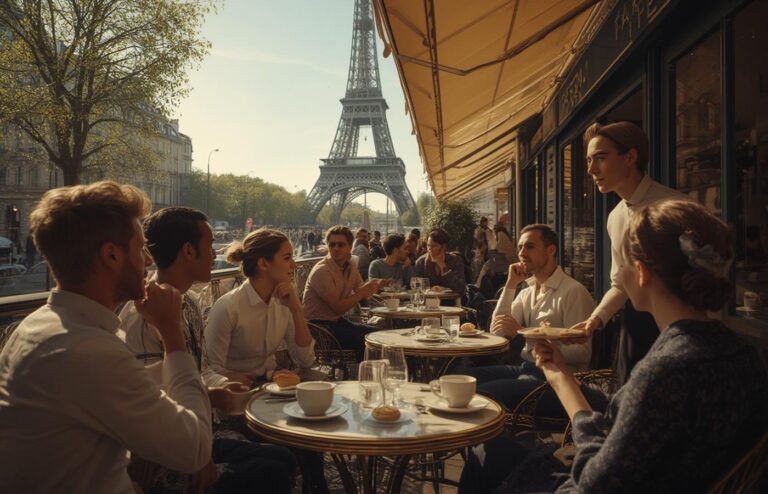
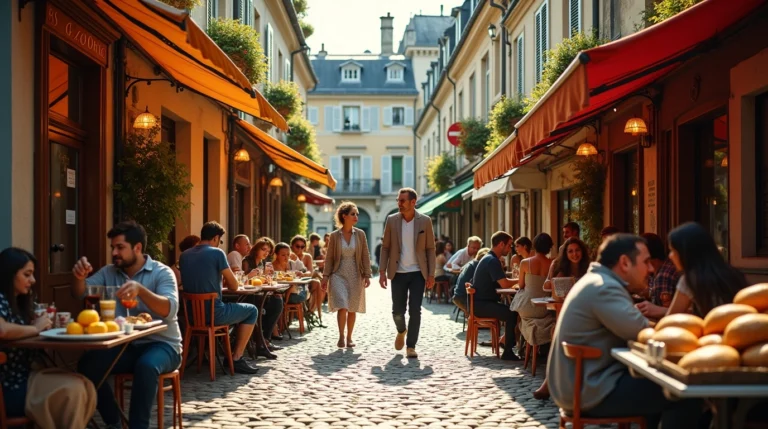
French dress code is a blend of understated style, practicality, and cultural nuance that steers locals and visitors alike toward subtle elegance and away from loud labels or casual gym wear. This evidence-backed, myth-busting guide separates source-based facts from cliché to help you pack light and walk confidently in Paris, Lyon or beyond—without sticking out or falling for the common pitfalls.
Key Takeaways
- Urban French style values neutrals, layering, and restraint in accessories more than following strict formal rules.
- Avoid typical tourist mistakes like full athleisure outfits, slogan shirts, neon colors, or cliché beret-Breton combos to blend in and stay safe.
- Wardrobe expectations shift by venue, but a capsule of fitted basics, a scarf, and quality shoes covers most city scenarios.
- What the French Dress Code Truly Means in Daily Life
- Recognizing and Avoiding the Most Common Traveler Mistakes
- Essential Style Habits That Set Locals Apart
- Expectations at Specific Venues and Settings
- Urban and Professional Attitudes Toward Style
- Regional and Generational Variations in Style
- Tourist Myths and Local Perspectives
- Packing the Perfect French Capsule Wardrobe
- Price Guidance and Budget Insight
- Quick Style Adjustments for Every Situation
- Further Tips Resources and Disclaimer
What the French Dress Code Truly Means in Daily Life
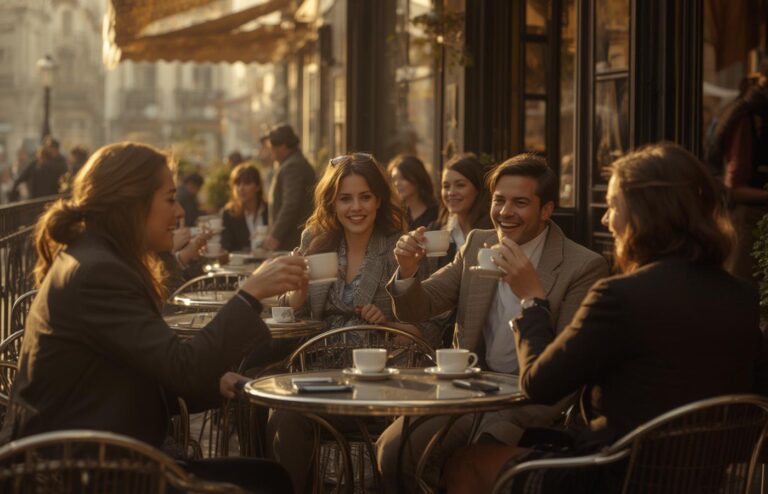
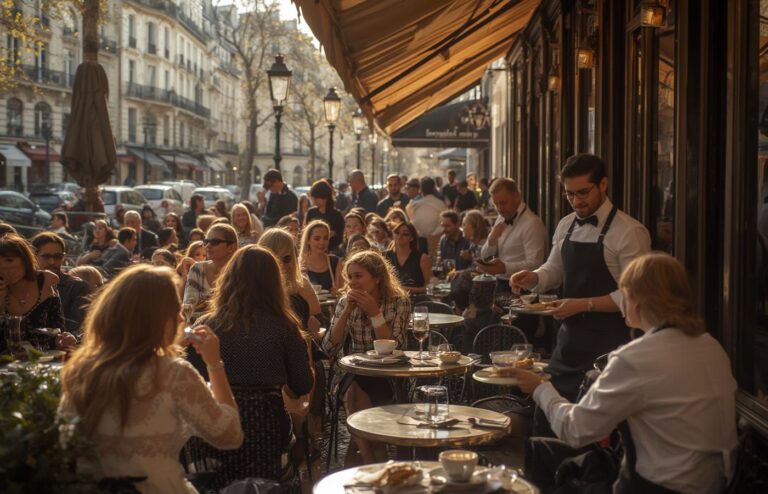
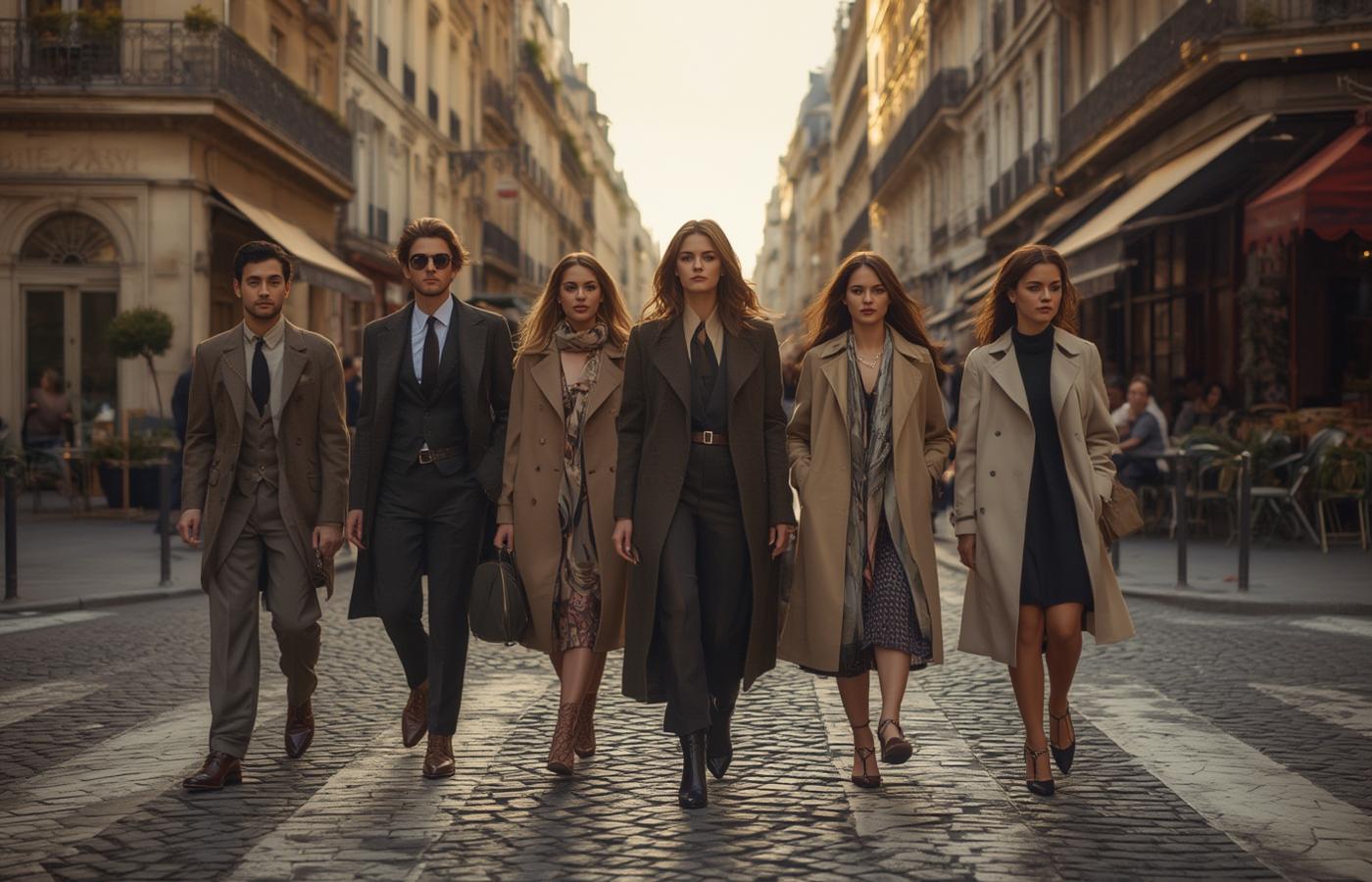
The French dress code is rooted less in “rules” than in a strong cultural preference for neat, put-together appearances in public. In French cities, well-fitted clothes and neutral tones are simply the standard. This doesn’t mean formalwear at all times—it’s about showing care and polish, which is interpreted as respect for yourself and others. This standard, often called “urban elegance,” shapes how you’re received in restaurants, shops, or even when asking for directions. While the sources identify values such as layering (a scarf or a trench coat), they also note that appearing disheveled or wearing loud, touristy outfits stands out strongly, sometimes influencing service or friendliness. These are qualitative insights, with no quantified 2024 data currently available. In sum: to the French, dressing well is a social agreement, not policing.
Recognizing and Avoiding the Most Common Traveler Mistakes
- Wearing head-to-toe athleisure or workout wear outside the gym
- Leggings as pants (except sometimes under coats)
- Slogan T-shirts, especially political or flashy
- Oversized hiking backpacks or totes instead of sleeker bags
- Neon colors or busy patterns
- White athletic socks with sneakers, baseball caps, plastic ponchos
- Overtly touristy combos like a bright beret with a striped shirt
Locals easily spot these as foreign or tourist signals, with multiple sources warning that such choices not only detract from blending in but may increase your risk of pickpocketing in crowded urban sites. For example, sources describe how full athleisure ensembles worn around Paris almost guarantee stares and, sometimes, less responsive service in shops or restaurants. A well-dressed visitor in neutrals, by contrast, often reports warmer exchanges with staff and even locals on the street.
Essential Style Habits That Set Locals Apart
Refined local style includes understated, repeatable sartorial moves:
- Layering with versatile items like scarves or leather jackets, even during casual outings
- Sticking with neutral or dark colors and subtle patterns―busy or branded accessories are avoided
- Wearing a beret or Breton shirt only as a subtle accent, never a costume (mixed together as a set is a telltale tourist look)
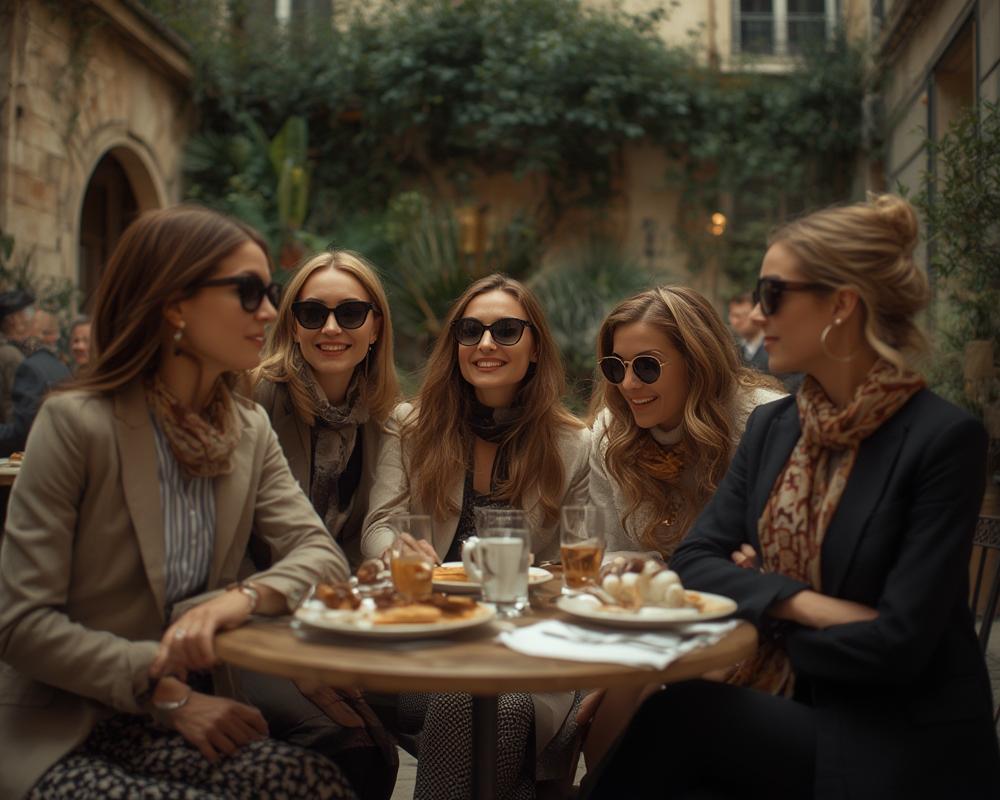
According to several long-term expat and lifestyle sources, a young Parisian might wear fitted jeans and ankle boots, adding a scarf and understated jewelry, but never bold makeup or flashy statement bags. “Less is more” really applies, and layering upgrades even simple denim or a tee. Over-accessorizing or copying a stereotypical French ensemble (beret, Breton top, red lipstick) often draws unwanted attention.
Expectations at Specific Venues and Settings
Certain places demand extra care with attire:
- Swimming pools require fitted, non-baggy swimwear (Speedo-style for men is typical); loose board shorts or bikinis not covering enough are usually prohibited.
- Fine dining restaurants expect smart, elevated outfits: dark jeans and a blazer or scarf are fine, but gym wear and slogan tees should be left behind.
- Nightclubs favor urban chic; avoid revealing, flashy, or very casual clothes to avoid hassle at the door.
- Religious sites generally require covered shoulders and a modest appearance, though specific published instructions are rare—when in doubt, observe locals entering or check for signage at the entrance.
For example, many pool-goers have been turned away for showing up in swim shorts, while restaurant staff may subtly seat obviously casual-dressed tourists away from the main dining room.
Urban and Professional Attitudes Toward Style
Work settings in France usually follow a smart-casual to business attire standard depending on the industry—tech and advertising lean more relaxed, while finance and law are more polished. The sources repeatedly confirm that there are no up-to-date 2024 statistics; available advice comes from etiquette experts and qualitative reports, all reinforcing that “urban elegance” (neutrals, quality basics, clean grooming) is the safe default. For restaurants and day-to-day city life, fitted pants, a blouse or collared shirt, and a trench or leather jacket usually suffice. When heading to a meeting, look to your French colleagues: blending, not standing out, is key.
Regional and Generational Variations in Style
French style is not identical everywhere, but region-specific customs are only partially documented. Paris and larger cities heavily favor neutral tones and fitted silhouettes, while younger residents sometimes adapt trends like high-waisted jeans or layering leggings under coats. Outside big cities, especially in rural areas, norms are likely more relaxed, but current research does not quantify these differences. The main advice is to adjust your expectations and avoid assuming every corner of France dresses like central Paris. Remember, no governmental studies currently capture these distinctions—adapt and observe when you arrive.
Tourist Myths and Local Perspectives
Common misconceptions about what to wear in France persist, such as thinking that berets, striped shirts, or casual gym attire will pass as local. In reality, these pieces together mark you as a tourist, and locals report recognizing these signals instantly—sometimes keeping their distance or, more seriously, seeing tourists as easier targets for pickpockets in hotspots like the Eiffel Tower.
For example, a visitor who wore a “classic” beret-and-Breton combo reported being photographed and laughed at by local teens, who called him out as “the Paris postcard.” Travel and expat blogs describe how such outfits, or unnecessary sportwear, can shift the quality of interactions and even expose you to minor scams or theft. Sticking to restrained, city-appropriate basics is the best way to avoid attention for the wrong reasons.
french greetings etiquettePacking the Perfect French Capsule Wardrobe
This capsule covers city days, casual dinners, and even a night out. Focus on flexibility:
- One waterproof trench coat or sleek leather jacket
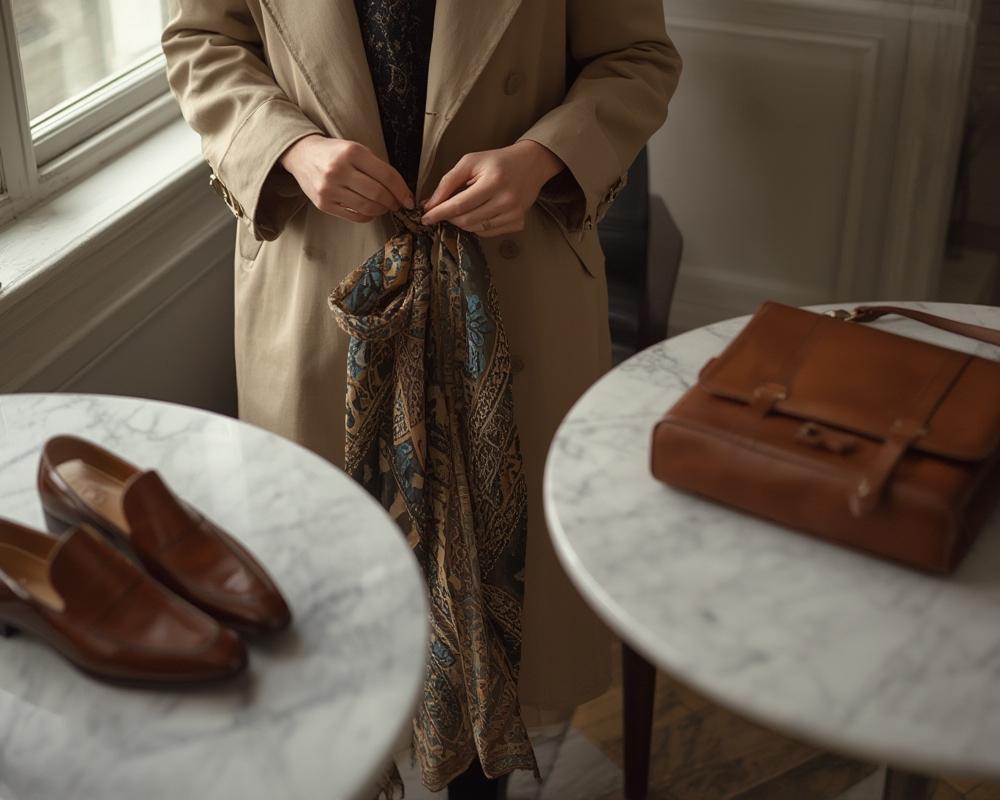
- Three pairs of shoes: comfortable leather sneakers, classic ankle boots, and a dressier loafer or ballet flat
- Two to three pairs of fitted jeans or black ankle pants
- Two scarves (one for warmth, one for style)
- One leather crossbody bag, medium-sized
- Basic tops in neutral colors, one nice blouse, and a lightweight sweater
- Minimalist jewelry (avoid flashy pieces)
Avoid: oversized totes, neon accessories, athletic/loud logo shirts, or plastic ponchos. Outfit swap examples: Use the same dark jeans with a sweater and scarf by day, switching to a silk top and the leather jacket for an evening meal. French table manners are another way to round out your confidence at the table.
Price Guidance and Budget Insight
The research found no standard price ranges for essentials like trench coats, leather shoes, or scarves. To help with realistic budgeting, here are sample Paris mid-2024 ranges (Writer-sourced, checked at Galeries Lafayette and Mango):
- Trench coat: budget €70–120, mid €130–290, premium €400+
- Leather sneakers or ankle boots: budget €65–130, mid €150–250, designer €350–600+
- Leather crossbody bag: budget €55–110, mid €130–220, designer €350–1000
- Wool or silk scarf: budget €25–50, mid €70–130, designer €200+
These typical ranges are based on online listings at Galeries Lafayette (local retailer) and Mango (international). Always check sale sections and consider secondhand markets in Paris and Lyon for quality on a budget.
Quick Style Adjustments for Every Situation
Comparing Core Style Elements and Notable Pitfalls to Avoid
Comparing native French style to typical tourist approaches highlights key contrasts. Locals gravitate to layering and neutral color stories, while travelers often over-pack or choose standout sporty items. Data-driven guides note that a structured routine—like always adding a scarf or simple accessory—gives locals adaptable polish. Tourists frequently miss these nuances, leading to discomfort or embarrassment. Special warning: sticking out through obvious casual wear leads to negative attention, less favorable service and sometimes even being targeted for petty crime.
| Local Style | Common Tourist Mistakes |
|---|---|
| Neutral & fitted clothing, subtle patterns, a scarf or trench as daily staples | Athleisure, slogan/graphic tees, bold patterns, bright berets and oversized backpacks |
| Sleek leather crossbody, minimal jewelry, ankle boots or leather sneakers | Fanny packs, loud jewelry, sports or open-toed sandals, white socks |
| Adaptation based on occasion and environment, subtle expressions | One-size-fits-all packing, not adjusting for venue or time of day |
Further Tips Resources and Disclaimer
To maximize your cultural confidence, draw on trusted resources for etiquette and customs. For a deeper view on french culture and etiquette—from social customs to avoiding faux pas—explore the linked guide. All style insights above are grounded in recent travel and expat reports, but there are still some notable gaps. There are currently no government-issued dress code guidelines or fully up-to-date quantitative studies for regional, generational, or urban/rural style differences, or for price levels at major French retailers. For price ranges, see market samples shared above, which are writer-sourced based on store listings June 2024 (Galeries Lafayette, Mango). Always check local conditions and retailer websites before your trip for the latest advice.
Wrapping Up Your Guide to French Dress Code
Navigating the French dress code is less about memorizing rules and more about understanding values such as neatness, restraint, and thoughtful accessorizing. Stick to a simple, adaptable capsule of neutral layers and quality shoes, and you’ll blend right in with local expectations. Ready to make your next French city trip as seamless and stylish as possible? Start with your wardrobe—and enjoy the difference it makes in every interaction.
Frequently Asked Questions About Dress in France
What is the safest outfit to wear for most city days in France?
Simple, fitted jeans or ankle pants, a neutral tee or blouse, ankle boots or leather sneakers, and a tailored jacket or trench coat. Add a scarf for style or warmth.
Are there items I absolutely should not pack?
Avoid full athleisure outfits, bold logo shirts, white sport socks, and plastic ponchos. These scream tourist and draw unwanted attention in cities.
Can I wear shorts or leggings in Paris?
Shorts are best left for beach towns or true summer heat—opt for long, fitted shorts if you must. Leggings can be worn under a coat, but never as solo pants unless you see many locals doing the same.
How should I dress for a business meeting in France?
Default to smart-casual: tailored pants or skirt, blouse or button-down, blazer, and closed shoes. Check your industry’s specific norms where possible, but neatness and quality always matter.
Do I really need a scarf and leather bag?
Both are versatile essentials that elevate nearly any outfit—locals use scarves year-round for flair and warmth, and a leather crossbody is practical and secure for cities.