Loire Valley Hidden Chateaux: Best Guide To Quiet Castles
If you’re drawn to the magic of the loire valley hidden chateaux, but frustrated by crowded icons and superficial tours, you’re not alone. There’s a world of lesser-known estates—often without the lines, but rich in character—just waiting to be explored. This guide brings you practical, honest insight on how to discover and enjoy these authentic Loire Valley gems, including real-world tips and research-backed realities on crowds, experiences, and costs.
Key Takeaways
- Hidden Loire Valley châteaux offer fewer crowds, authentic history, and unique experiences like overnight stays or treasure hunts.
- Exact visitor numbers and up-to-date costs are rarely available—each château requires direct research for hours, prices, and tours.
- Timing your visit—especially in April or early mornings—can mean nearly private castle experiences, even in high season.
- Why choose loire valley hidden chateaux over the tourist icons?
- Quick reality check — visitor numbers and why exact stats are hard to find
- Top 9 under-the-radar Loire Valley châteaux to prioritize
- Unique, bookable experiences you won’t get at Chambord or Chenonceau
- Practical pain points when visiting hidden estates (what to expect and how to mitigate)
- Costs and money expectations — what the research says (and what it doesn’t)
- Little-known historical and architectural stories to wow readers
- Best months and timing strategy to avoid crowds (month-by-month guidance + timing tips)
- Sample itineraries and time allocation (half-day, full-day, 3-day loop)
- How to research up-to-date practicals (fees, opening hours, private tours) — a writer’s quick checklist
- Conclusion + strong CTA (book smart, not busy)
- FAQ
Why choose loire valley hidden chateaux over the tourist icons?
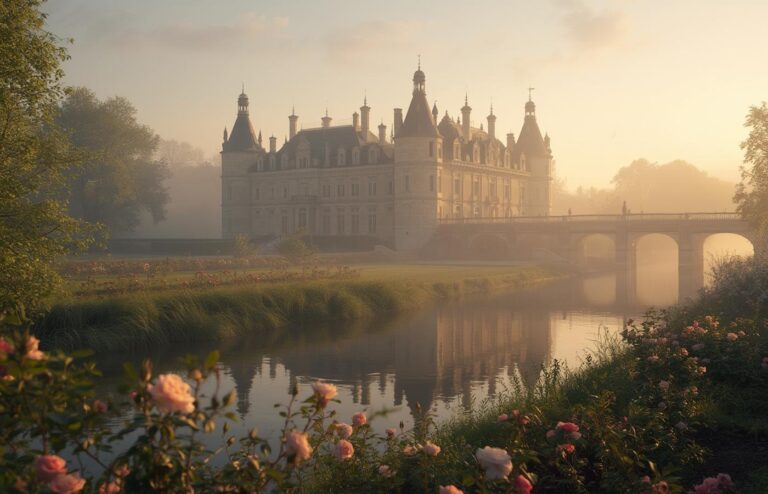
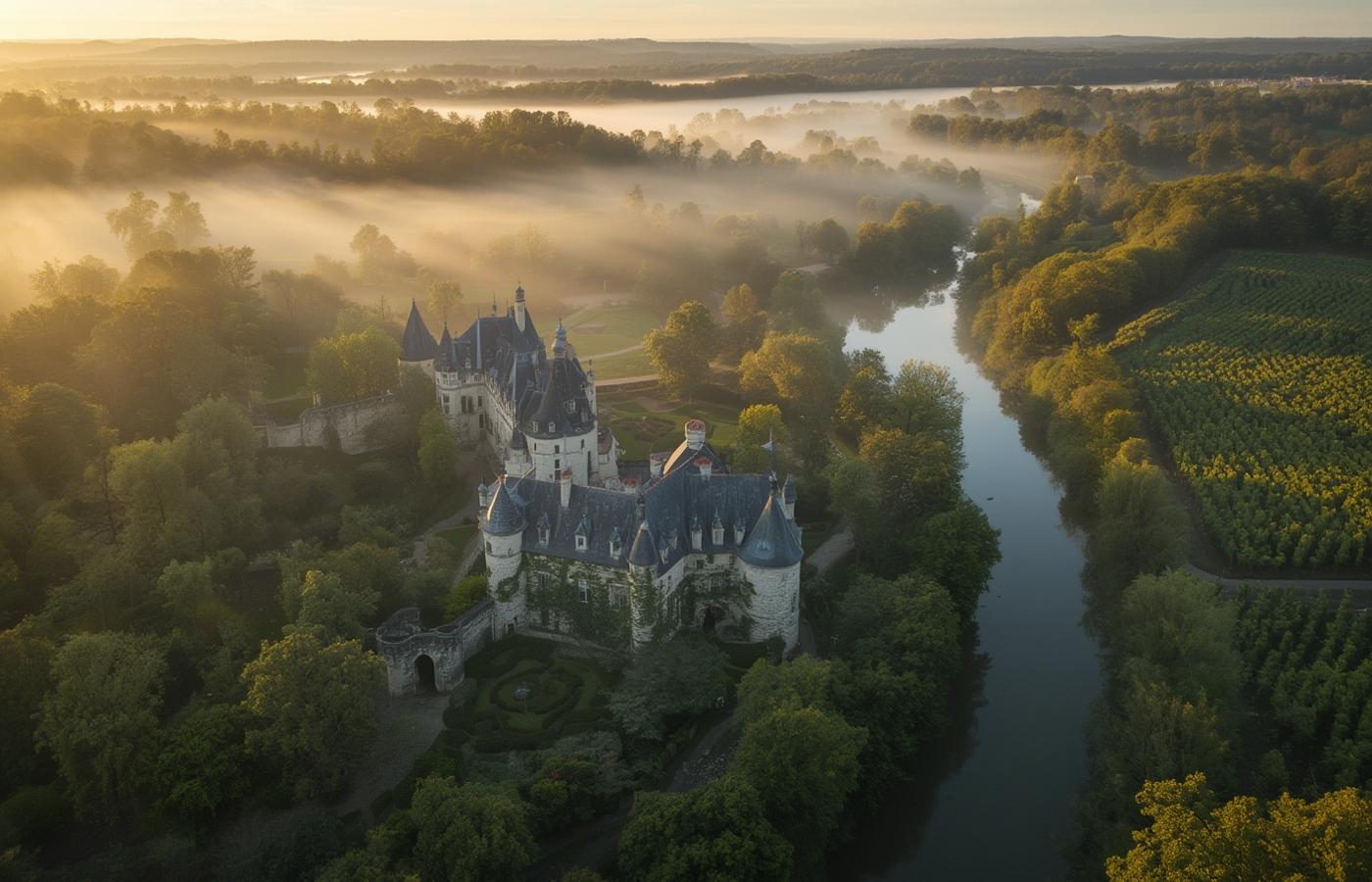
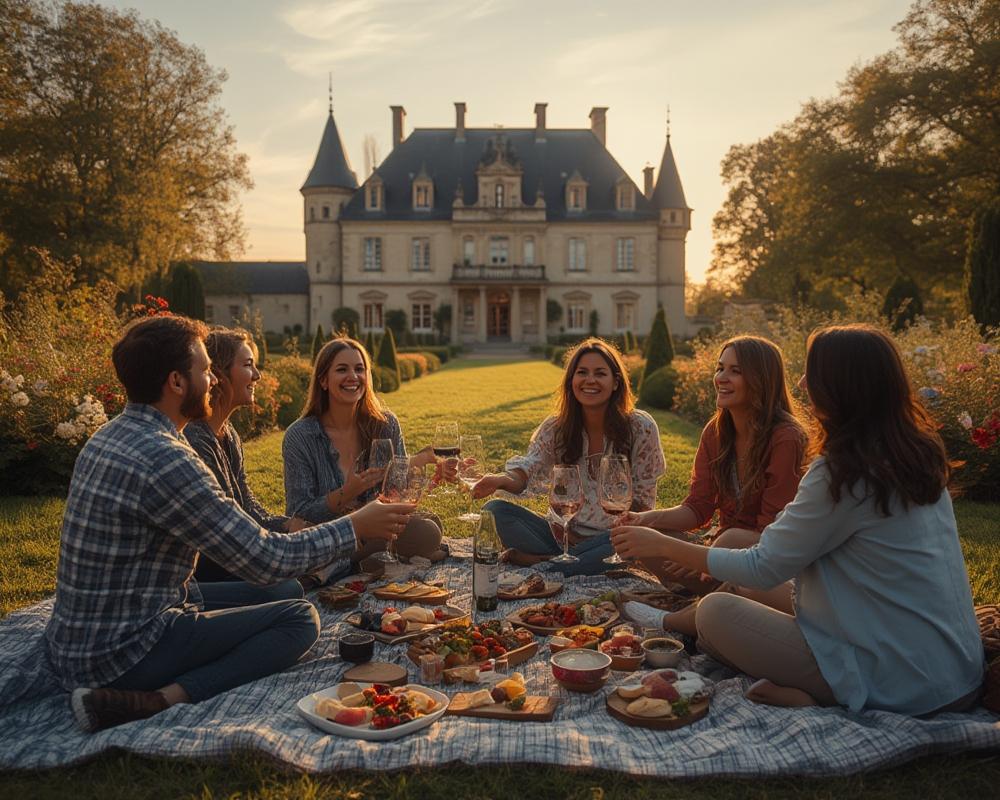
While renowned names like Chambord and Chenonceau claim the headlines, loire valley hidden chateaux offer a more personal, less hurried exploration of French history at your own pace. Imagine walking through rooms furnished with the original owners’ belongings or picnicking quietly in a landscaped park—unhurried and undisturbed. Sources consistently call out places like Château de la Bussière, Château de Troussay, and Château de Villesavin as less-visited gems, and their rewards are tangible: genuine conversations with stewards, unexpected exhibits (from winemaking to carriage museums), and freedom to wander nearly alone.
The famous chateaux deliver grandeur but come with endless tour buses and scheduled tours. Choose hidden châteaux if you seek:
- Fewer crowds and freedom to explore at your own pace
- Rare on-site activities (overnight stays, private gardens, offbeat collections)
- Direct interaction with chateau owners or local guides, making history come alive
It’s not just about avoiding crowds—it’s about experiencing the Loire’s legacy in an authentic, hands-on way. For a broad overview of châteaux and travel planning tips, see the comprehensive loire valley châteaux guide.
Quick reality check — visitor numbers and why exact stats are hard to find
If you’re searching for “best lesser-known loire valley châteaux by exact visitor number,” you’re likely to hit dead ends. Research repeatedly finds: No exact annual visitor statistics are available for hidden châteaux; even sources covering major ones like Chambord or Chenonceau rarely give numbers. So, how do you estimate crowd levels?
- Rely on travel reviews and phrases like “less-visited,” “hidden,” or “no tour buses in sight.”
- Visit estate websites or local tourism offices for event calendars (peak dates suggest more visitors).
- Understand that, by reputation, these offbeat castles see far fewer people than headline châteaux—even in high season.
When in doubt, plan for shoulder months (spring, autumn) and midweek visits to maximize solitude.
Top 9 under-the-radar Loire Valley châteaux to prioritize
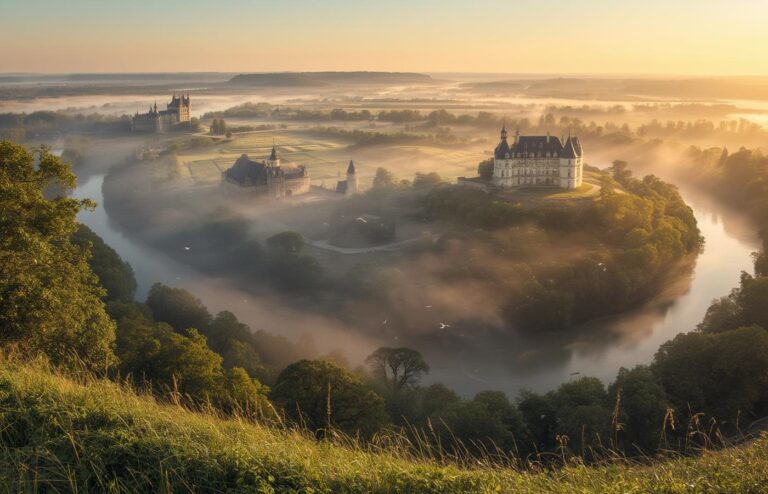
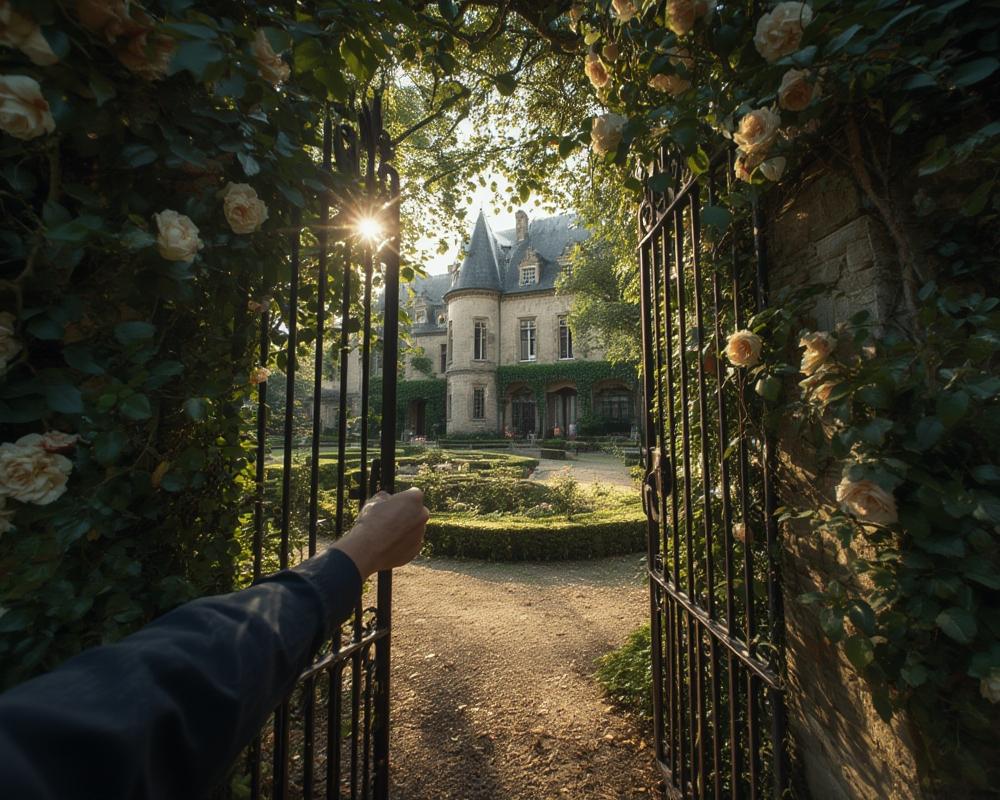
Looking for concrete choices? Below are the nine lesser-known loire valley châteaux most consistently highlighted as off the beaten path. Each offers its own distinctive story, atmosphere, and visitor pace.
- Château de la Bussière — Known as the “fishermen’s château,” its quirky piscatorial collection and family-friendly events are big draws.
Practical: Check hours (verify; typically open March–November). Nearest town is Bussière.
Unique: Berry picking, picnics, and ten furnished rooms offer hands-on engagement. - Château de Troussay — The Loire’s “tiniest château,” with overnight stays in estate cottages and castle suites.
Practical: Near Cheverny (verify car transport; irregular bus service).
Unique: Guided interior tours plus a winemaking museum set it apart. - Château de Villesavin — Built by Jean le Breton of Chambord fame, it has barely changed for centuries.
Practical: A short drive from Chambord; limited public transport (verify schedules).
Unique: Treasure hunts and rare museums (weddings, carriages). - Château de Candé — Best known for hosting the Duke of Windsor and Wallis Simpson’s 1937 wedding.
Practical: About 10km from Tours (car recommended).
Unique: See clothing and signatures from Wallis Simpson, and literary artifacts. - Château de Fougères-sur-Bièvre — Imposing, authentically medieval, and unpretentious.
Practical: In Fougères-sur-Bièvre near Blois. Check exact opening hours and parking (verify).
Unique: Medieval interiors and period gardens offer pure immersion. - Château de Brézé — Features striking underground tunnels and dungeons.
Practical: 10km from Saumur (car or bike ideal). Not all tunnels are always open, check website/calendar.
Unique: Hidden world beneath the castle—cool even in summer. - Château de Montsoreau — Overlooks the Loire with dramatic riverside views and a modern art museum.
Practical: Near Saumur; best reached by car or regional bus.
Unique: Cutting-edge art in a Renaissance frame. - Loches Castle — A true medieval stronghold with ancient donjon, less crowded than Amboise.
Practical: Easy access by train/car from Tours. Many stairs and cobblestones; good shoes required.
Unique: A rare preserved medieval prison—Europe’s best-preserved donjon. - Château de Montreuil-Bellay — Well-preserved fortress with panoramic gardens.
Practical: Close to Saumur. Public opening April–October; verify for winter visits.
Unique: Dramatic views, mostly undisturbed by tour groups.
For a couples-focused angle on less-visited estates, see romantic Loire Valley châteaux.
Unique, bookable experiences you won’t get at Chambord or Chenonceau
The joy of these unique loire valley chateaux experiences is their individuality. Here’s what you can find at “secret chateaux in loire valley” you won’t see at blockbuster estates:
- Château de Troussay: Sleep in estate cottages or castle suites; join an interior tour; stroll an English park; discover their compact winemaking museum.
- Château de Villesavin: Treasure hunts for families; museums on weddings and carriages; direct interaction with owners—almost never crowded.
- Château de la Bussière: Run wild in the gardens, try berry picking (in season), lounge on the grounds for a picnic, and explore ten furnished rooms at leisure.
- Château de Brézé: Unlock a maze of underground tunnels and rooms—unlike any other Loire fortress.
Small-scale guided tours and owner-led storytelling can make your visit deeply memorable. Always check availability ahead, as many experiences are highly limited and bookable only by phone or email.
Practical pain points when visiting hidden estates (what to expect and how to mitigate)
While most travelers report few negatives around off the beaten path loire valley chateaux, certain realities can interrupt an otherwise perfect trip:
- Access/transport: Most hidden castles aren’t well-served by public transport; a rental car or bicycle is usually essential.
- Hours and openings: Some are closed on odd days or during lunch. Always check websites or call in advance.
- Language: Staff may speak only basic English; translation apps can bridge the gap.
- Limited on-site services: Few cafes, gift shops, or toilets at the smallest chateaux—bring snacks and plan stops accordingly.
- Isolation: One expert warns: avoid the very smallest, most remote châteaux if you don’t want to feel stranded; those near villages offer a better balance of authenticity and practicality.
Costs and money expectations — what the research says (and what it doesn’t)
Hoping for a clear price table? Unfortunately: No entrance fees, guided tour costs, or accommodation prices are provided for any Loire Valley châteaux in the sources. This means every visitor must investigate current admissions themselves. Typical price ranges for lesser-known estates are often lower than the icons but can vary year to year or by special events.
- Start with official château websites for posted rates;
- If missing or vague, call or email the estate directly (many respond in English);
- Check regional tourist office listings by area;
- Ask local B&B hosts about recent visitor fees and ticketing quirks.
Plan a buffer: expect anything from €8–€15 for entry, €2–€8 for special exhibits/guided tour supplements, and €120–€200 per night for boutique overnight stays (subject to seasonal inflation).
Little-known historical and architectural stories to wow readers
What brings these undiscovered loire valley estates alive is their tapestry of people and events, overlooked by most guidebooks:
- Château de Candé: Hosted the infamous 1937 wedding of the Duke of Windsor and Wallis Simpson—see the couple’s signatures in the library and Wallis’s clothes in the dressing room.
- Château de Villesavin: Built by Jean le Breton, mastermind behind Chambord; remains much as he left it, an untouched slice of Renaissance daily life.
- Château de la Bussière: Nicknamed “Château des Pecheurs,” celebrated for its unique fishing memorabilia and lakeside setting.
- Loches Castle: One of France’s oldest medieval strongholds—home of Joan of Arc’s famous 1429 visit and Europe’s best-preserved donjon.
- Château de Fougères-sur-Bièvre: A stark late Medieval castle—less fairy tale, more authentic defense, never fully updated into Renaissance opulence.
- Château de Montreuil-Bellay: Survived centuries of conflict and came to epitomize medieval fortification (many châteaux fell into ruin after the Renaissance, unlike this one).
An offbeat itinerary can deliver not just a quiet escape, but a rare brush with the Loire’s most surprising stories.
Best months and timing strategy to avoid crowds (month-by-month guidance + timing tips)
According to the research, April delivers the best mix of weather and solitude at lesser-known castles, though garden color peaks a little later. Summer (May–August) brings flower displays, festivals, and more visitors, but even then, hidden châteaux are far less crowded than icons or Versailles.
- April: Pleasant weather, near-empty castles; gardens may be subdued.
- May–June: Gardens bloom, still manageable crowds—ideal for slower, immersive travel.
- July–August: Livelier (especially at big estates); stick to mornings and weekdays for calm.
- September–October: Vineyards turn gold, cooler weather, crowds ease again.
Timing tips: Visit Chenonceau or Chambord right at opening, then continue to off-the-beaten-path loire valley chateaux for relaxed afternoons. For a structured 3-day circuit, see Loire Valley châteaux 3 day itinerary.
| Month | Crowd Level | Garden/Bloom |
|---|---|---|
| April | Very low | Early flowers, green but not full blooms |
| May–June | Low-moderate | Full gardens, best for color |
| July–August | Moderate | Peak; expect local festivals |
| September–October | Low | Autumn colors, calm |
Sample itineraries and time allocation (half-day, full-day, 3-day loop)
Don’t overpack your journey—slower is better for the Loire’s best discoveries. Here are realistic ways to structure your trip:
- Half-day: Early morning at a headline castle (e.g., Chambord), then swing to Château de Villesavin for lunch and relaxed exploration.
- Full-day: Morning at Loches Castle or Montsoreau, spend the afternoon at neighboring Château de Brézé or Candé. Picnic on-site is encouraged.
- 3-day loop:
Day 1: Chambord at open, Villesavin midday (family museums), overnight at Troussay’s estate cottages.
Day 2: La Bussière (fishing, gardens), Brézé tunnels in the afternoon.
Day 3: Montsoreau (art), Candé for historical quirks, end in Tours or Saumur.
Stagger popular sites early; dedicate afternoons to discovery at these quieter off the beaten path loire valley chateaux. Most hidden estates are ideal for at least a half-day, and many offer overnight stays or gardens worth lingering in. Confirm accommodation in advance—see notes under each château.
How to research up-to-date practicals (fees, opening hours, private tours) — a writer’s quick checklist
If you want your journey to run smoothly, use this actionable checklist to track down the practical details sources often miss for secret chateaux in loire valley and unique loire valley chateaux experiences:
- Visit each château’s official website—look for seasonal hours and current events.
- For missing or outdated data, phone or email the main office; many small estates reply quickly (sometimes only in French—use translation tools).
- Search local or regional tourist office sites for last-minute closures, festival schedules, and transport changes.
- If booking overnight, confirm rates, facilities, and check-in/out times well ahead (property websites or booking platforms).
- Ask your B&B or guesthouse host about recent fees and special access—they’re often up-to-date.
- Download or print your confirmations since Wi-Fi can be patchy in rural zones.
Remember, no entrance fees or visitor stats are published in public sources, so plan for flexibility.
For more detail on itinerary design, check Loire Valley châteaux 3 day itinerary.
Conclusion + strong CTA (book smart, not busy)
Choosing loire valley hidden chateaux gives you not just a crowd-free experience, but genuine immersion in French heritage—with quirky, memorable stories at every turn. Use the checklist above to plan and verify details, travel in spring or autumn for the most peace, and don’t hesitate to chat directly with each chateau for personal tips. Ready to see a new side of the Loire? Book smart, travel light, and download our sample 3-day off-the-beaten-path Loire itinerary—your route to calm, authentic discovery.
And remember: all Loire castles are generally less crowded than Versailles even at their busiest, and April is your golden window for a private, beautiful visit.
FAQ: Loire Valley Hidden Chateaux
Are hidden Loire Valley châteaux open year-round?
Most are open spring through autumn, but winter schedules are inconsistent. Check official sites or call ahead before visiting.
Is English spoken at lesser-known Loire Valley châteaux?
Basic English is often spoken, but not guaranteed. Translation apps and a few polite French phrases help a lot.
Can I book an overnight stay at any hidden châteaux?
Yes—estates like Château de Troussay offer cottage and suite stays. Always book and confirm in advance.
How do I avoid crowds even at famous castles?
Arrive early (opening time) for icons, then explore less-visited châteaux in the afternoons on weekdays.
Do small châteaux have restaurants or cafes onsite?
Most do not; bring snacks or plan a meal in a nearby town. Always check before you go.